The Verdict
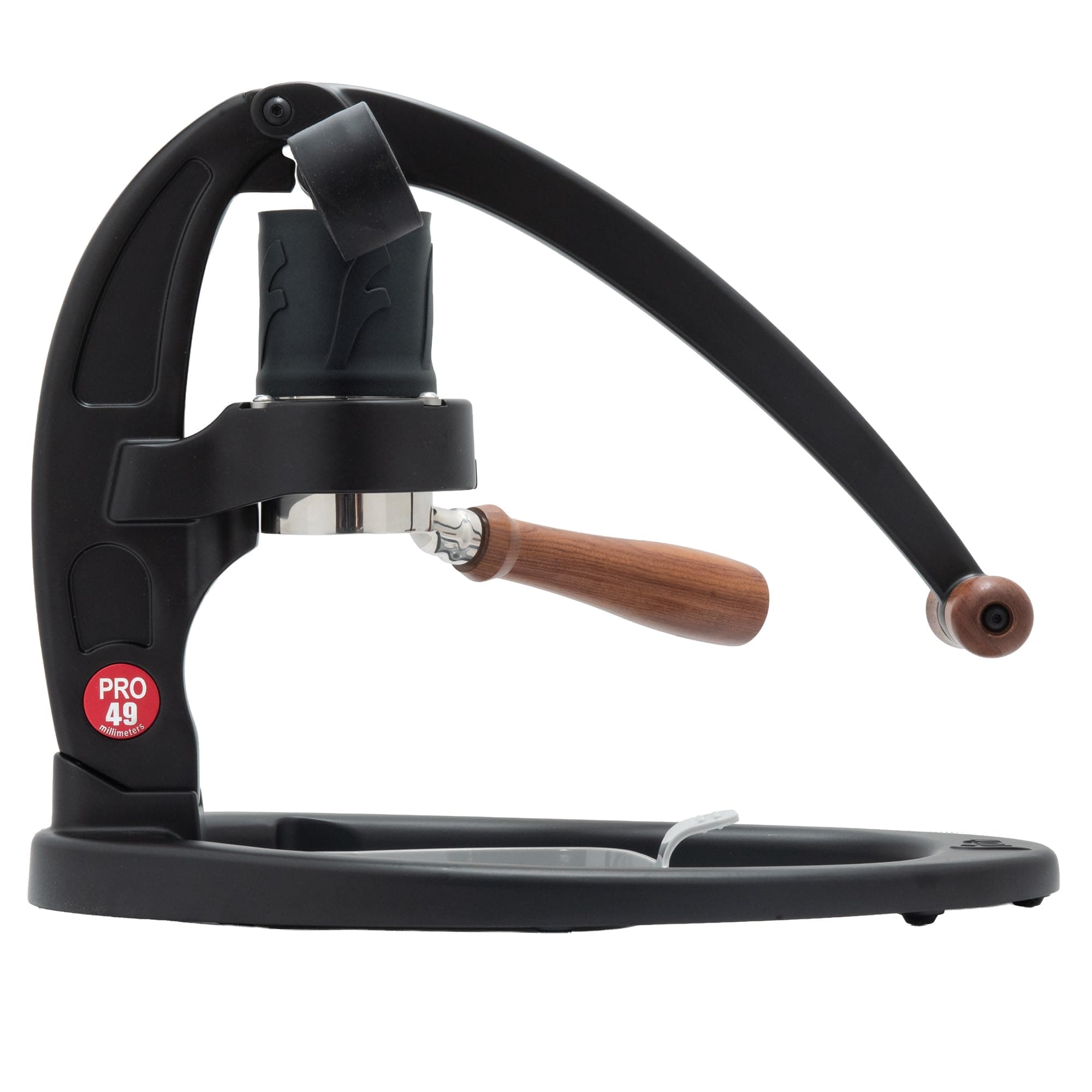
The Flair 49 Pro is a beautifully engineered piece of equipment that delivers on its core promise: giving the home barista absolute control to pull cafe-quality espresso shots. Its robust, all-metal construction and traditional portafilter workflow are significant upgrades for the manual espresso enthusiast. However, its 'Pro' designation is undermined by a glaring omission—a built-in heating element—which introduces a cumbersome and mandatory pre-heating ritual into the workflow. For purists who prioritize tactile control and shot quality above all else, and are willing to tolerate the inconvenience, the Flair 49 Pro is a worthy investment. For those seeking convenience, a standard semi-automatic machine is a better fit.
For the dedicated espresso hobbyist, the Flair 49 Pro offers a level of control over pressure and pre-infusion that machines triple its price can't match. Just be prepared to work for it.
What Went Viral
The Flair 49 Pro, and its sibling the Flair 58, dominate the #baristatok and #manualespresso niches on TikTok and YouTube. Videos garnering millions of views showcase the mesmerizing, hands-on process: grinding the beans, tamping the puck, and slowly pressing the lever to extract a syrupy, crema-rich shot. The appeal is visceral. It rejects the push-button automation of modern appliances, transforming a daily routine into a craft. Creators emphasize the full manual control over every variable, positioning the Flair not just as a coffee maker, but as an enthusiast's tool for perfecting the art of espresso.
What the Comments Actually Say
Despite the polished look on TikTok, real-world user feedback is more nuanced. The Amazon 4.5-star rating is strong, but a deeper dive into Reddit and YouTube reveals a split opinion.
Reddit users in r/espresso praise the improved workflow from the traditional portafilter handle and the robust, all-stainless-steel brew path. However, the same users are highly critical of the central flaw. As one commenter put it, calling it a 'Pro' model without a heating element is "a choice." This sentiment is the most common complaint, turning a potentially sleek workflow into a multi-step process of boiling water and pre-heating components.
A top critical review on Amazon highlights a catastrophic failure after just three uses, followed by a refusal from customer service to honor the warranty, a significant red flag for a $359 device.
Prominent YouTube reviewers like Lance Hedrick and DaddyGotCoffee echo these points. They praise the solid build quality but criticize the cheap-feeling plastic drip tray and dosing funnel. Hedrick even uncovered what he called a "shocking fail" in an early model, which he noted Flair was working to fix, causing some hesitation for potential buyers. The consensus is that while the machine can produce phenomenal espresso, it has quirks and requires a patient, dedicated user.
Technical Comparison
Compared to a standard semi-automatic espresso machine (like a Breville Bambino or Gaggia Classic Pro), the Flair 49 Pro operates in a different universe.
- Flair 49 Pro: Offers direct, real-time control over pressure profiling by varying the force on the lever. It has no boiler, pump, or steam wand. Temperature management is entirely manual, relying on pre-heating the brew chamber with boiling water. It's silent and requires no electricity (unless you buy the heated Flair 58 model).
- Standard Machine: Uses an electric pump to generate a consistent 9 bars of pressure. An integrated boiler provides temperature stability and steam for frothing milk. It's a faster, more convenient, and more versatile system for making lattes and cappuccinos, but offers little to no control over pressure during the shot.
The Flair gives you more control over the espresso shot itself, while a standard machine gives you more convenience and the ability to easily make milk-based drinks.
The Catch
The most significant issue, consistently raised by reviewers and users across all platforms, is the lack of a built-in heating element. For light and medium roasts, achieving proper extraction temperature requires a tedious pre-heating routine, often involving multiple cycles of filling the brew head with boiling water. This single omission complicates the workflow and feels like a major oversight in a machine marketed as a 'Pro' model, directly impacting shot consistency and user convenience.