The Verdict
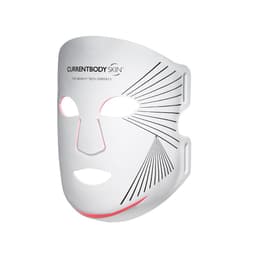
The HigherDOSE Red Light Face Mask is a classic case of social media hype outpacing real-world reliability. While its flexible silicone design is a significant leap forward in comfort, and many users do report a desirable "glow," the product is ultimately OVERHYPED. A troubling pattern of hardware failure, specifically with the power cord, combined with a mediocre 3.7-star Amazon rating and a premium $349 price tag, makes this a risky investment. There are tangible benefits to be had, but the significant durability concerns prevent it from being a straightforward recommendation. For this price, users should expect a device that lasts, and the evidence suggests that's not a guarantee.
What Went Viral
With over 8 million views on TikTok, the HigherDOSE mask became a fixture on skincare enthusiasts' For You Pages. Creators positioned it as the ultimate at-home spa tool for achieving "glass skin." Videos showcased users multitasking—working, reading, or relaxing—while the mask worked its magic. The narrative was simple and powerful: 10 to 20 minutes a day could stimulate collagen, smooth fine lines, reduce redness, and deliver a radiant glow. One creator called it a "total game changer" that left their skin smoother, firmer, and more hydrated, declaring "glow mode activated." This promise of professional-level results with minimal effort is what propelled the mask to viral stardom.
What the Comments Actually Say
Beyond the polished TikTok edits, a more complicated picture emerges from user discussions across the web. While many echo the positive creator sentiment, significant flaws are a recurring theme.
On Reddit, the feedback is sharply divided. Users in subreddits like r/redlighttherapy praise its effects, with one noting a "brighter complexion and improved skin tone." Another found it dramatically improved wound healing. However, the same forums contain critical warnings about the product's lifespan.
A common complaint is product failure, particularly the cord dying. One Reddit user stated their mask died in less than two years, a sentiment echoed by others, raising serious questions about its long-term value.
Other Redditors reported adverse reactions, with user cheesecheeesecheese detailing a "red rash" that appeared after consistent use. Concerns about the one-year warranty, shorter than some competitors, also feature prominently.
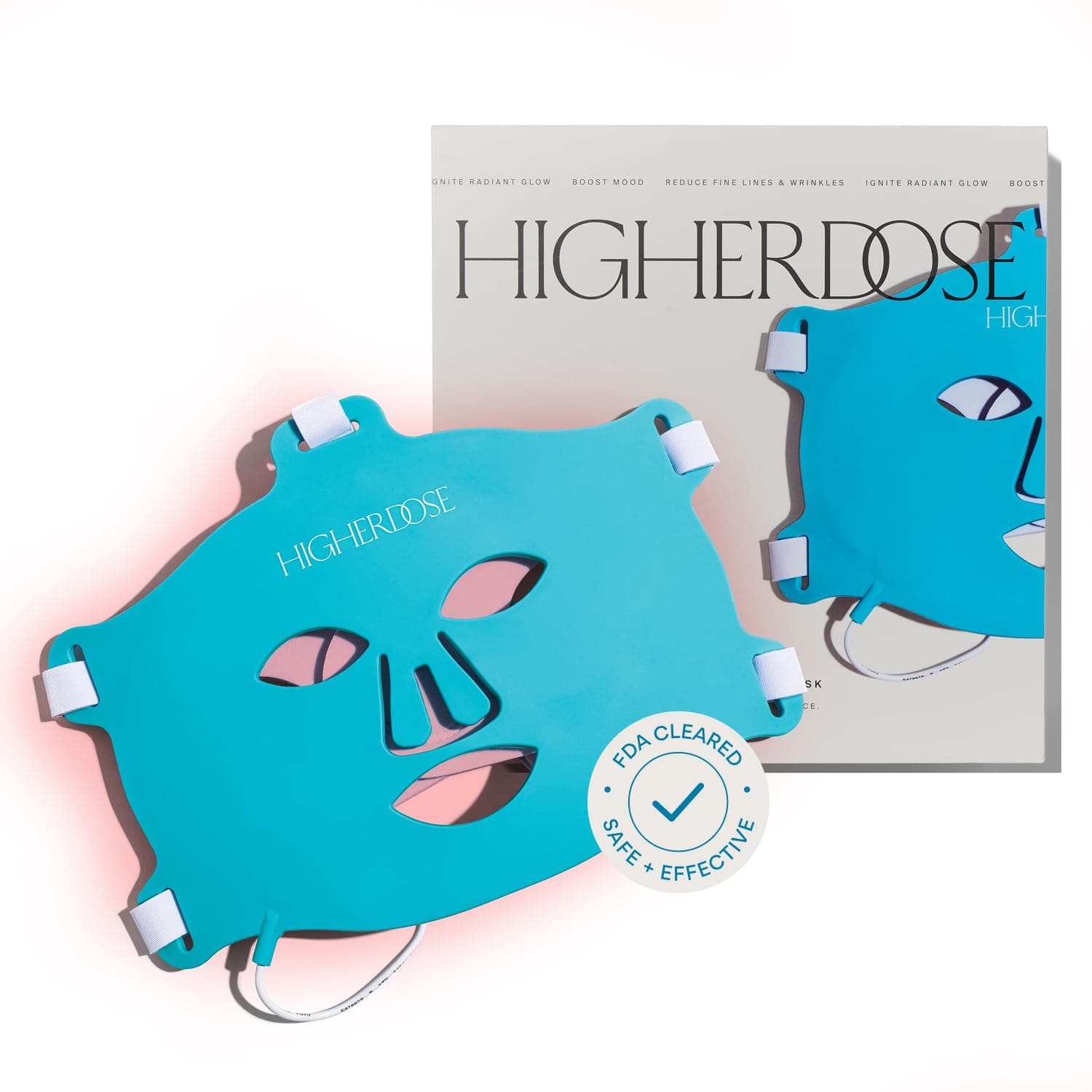
YouTube reviews offer more technical nuance. Reviewers consistently praise the comfortable, medical-grade silicone body and simple operation. Alex Fergus of Light Therapy Insiders confirmed its effective wavelengths and consistent power output. However, he also criticized its design, noting it's not truly wireless (it's tethered to a controller) and offers poor coverage around the nose, chin, and jawline. Angie Hot & Flashy pointed out that the single-strap design fails to create a tight fit on the lower half of the face, leading to light leakage.
Technical Comparison
Compared to older, rigid plastic masks, the HigherDOSE’s primary advantage is its flexible, medical-grade silicone construction. This allows it to conform more closely to the face, improving comfort during the 10-20 minute sessions. It delivers two of the most studied wavelengths for skin rejuvenation: 630nm (red) for collagen production and 830nm (near-infrared) for deeper tissue repair and circulation.
However, its technical implementation has notable limitations. The device is permanently tethered to its handheld controller, limiting mobility. Unlike some premium competitors, it lacks the ability to select individual wavelengths or adjust the light intensity. The single-strap design, while simple, is a functional weak point, creating gaps and inconsistent skin contact on the lower face. This means key areas like the jawline and around the mouth may receive a suboptimal dose of light therapy.
The Catch
The single biggest catch with the HigherDOSE mask is its questionable durability for a premium-priced device. Widespread user reports of the connecting cord failing after one to two years of use—often just outside the one-year warranty period—are a major red flag. This isn't a minor inconvenience; it's a critical failure that renders the $349 device useless. For a product in the wellness tech space, where longevity is expected, this recurring hardware issue is a significant flaw that potential buyers must weigh against the promised skincare benefits.