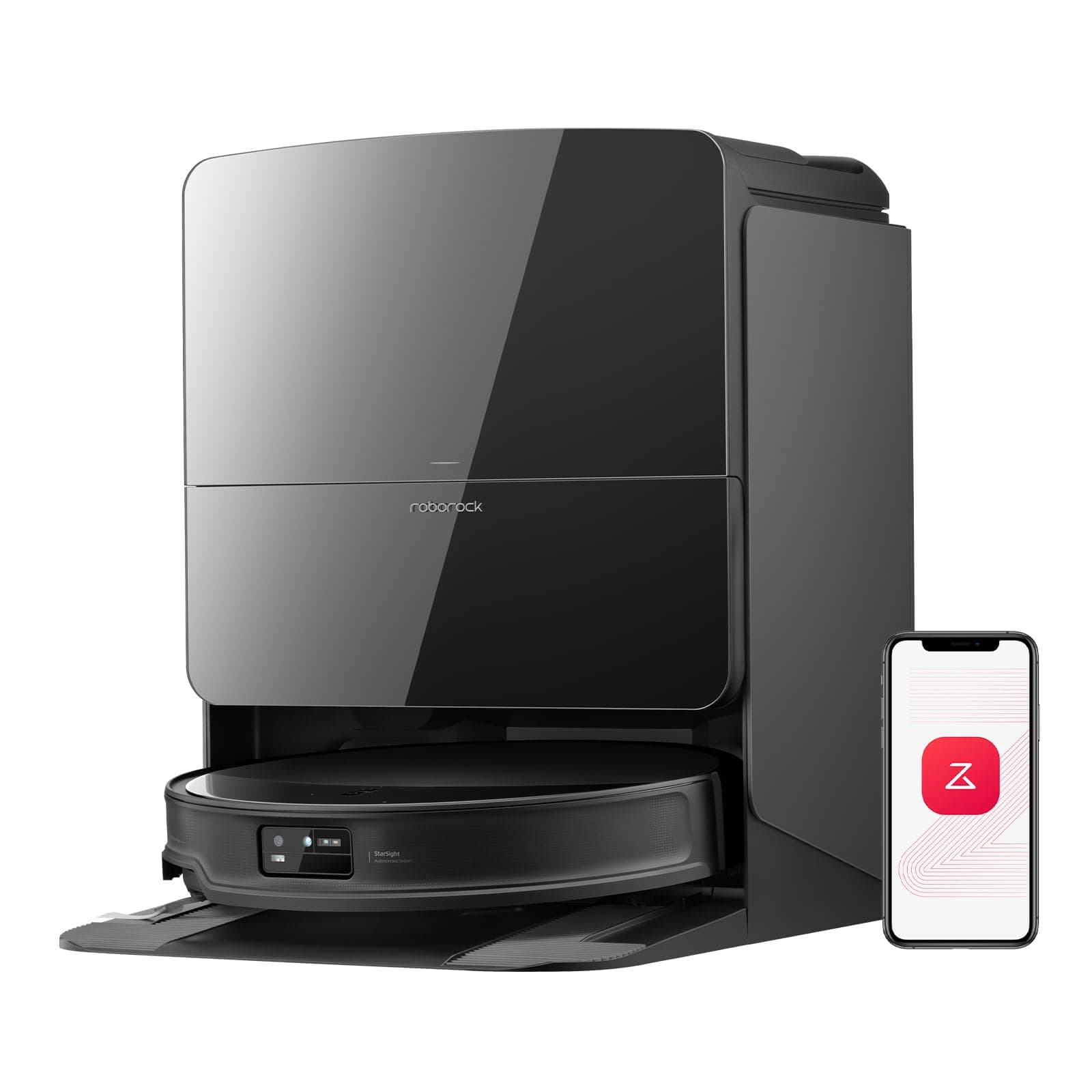
The Verdict
The Roborock Saros 10R is a masterclass in marketing, packing next-generation features into a sleek, viral-ready package. However, its real-world performance doesn't consistently match its $1,300 price tag or its TikTok fame. With a middling 3.8-star Amazon rating and a significant number of users reporting everything from poor suction on basic debris to catastrophic hardware failures, this robot vacuum falls squarely into the "overhyped" category. While it offers moments of brilliance for some, the gamble on reliability is too high for a flagship device.
What Went Viral
The Saros 10R exploded on #CleanTok for good reason. Videos with over 450,000 views showcase its almost impossibly slim 3.14-inch profile, allowing it to glide under furniture that traps bulkier competitors. The spec sheet is a dream for tech enthusiasts: a staggering 22,000 Pa of suction power, an advanced AI-powered StarSight system for intelligent obstacle avoidance, and a zero-tangle brush that promises to end the nightmare of cleaning hair from rollers.
The true star of the show, however, is the all-in-one dock. TikToks highlight its ability to not only self-empty the dustbin but also wash the mop pads with hot water and dry them with hot air, promising a truly autonomous cleaning experience that users crave. This "set it and forget it" appeal is the core of its viral success.
What the Comments Actually Say
Beneath the glossy sponsored posts, a more complicated picture emerges. The sentiment is sharply divided. On Reddit, some users celebrate the Saros 10R as a game-changer. One reviewer, upgrading from an older model, praised its pet hair handling, noting "0% of the tangles" and superior corner cleaning. Yet, the same user pointed out that the dock requires weekly filter washing and holds less water, demanding more frequent refills.
This contrasts starkly with other experiences. A detailed Reddit post titled "Owning a Saros 10R has been the worst experience ever" chronicled non-stop issues, including a broken dock suction motor within a month, poor object detection, and a failure to actually suction pet hair, instead just balling it up on the carpet. While several commenters on that thread reported positive experiences, the severity of the reported flaws is alarming. This inconsistency is echoed in Amazon reviews. The top critical review states that a "$50 generic stick vac" is more reliable at picking up hair, a damning critique for a $1,300 machine.
YouTube reviews from tech channels like Vacuum Wars offer a more measured take. They award the Saros 10R a "perfect score" for obstacle avoidance and praise its anti-tangle brush. However, they also note its performance can be "a bit more sporadic" on larger debris and that its battery life, while decent, isn't as good as previous models.
Technical Comparison
The Saros 10R operates in a different league than a standard robot vacuum. Your average sub-$500 model typically offers 3,000-5,000 Pa of suction, relies on basic gyroscopic or bump-and-run navigation, and often gets stuck on cords or under furniture. Its dock is usually just for charging, leaving you to manually empty the dustbin and wash the mop pad.
The Saros 10R boasts up to 7 times the suction power, uses sophisticated LiDAR and an AI-powered camera for near-flawless navigation, and features a dock that handles almost all maintenance. Its ultra-slim design and advanced edge-cleaning technology are features standard models simply don't have.
The Catch
The promise of 22,000 Pa suction and advanced AI doesn't always translate to a clean floor. The most significant catch is the reported inconsistency in its core function: vacuuming. Multiple users across Amazon and Reddit claim it struggles with pet hair and common debris, a fundamental failure for any vacuum, let alone a flagship model. Combined with reports of hardware malfunctions and a premium price tag, the Saros 10R's performance feels like a roll of the dice.