The Verdict
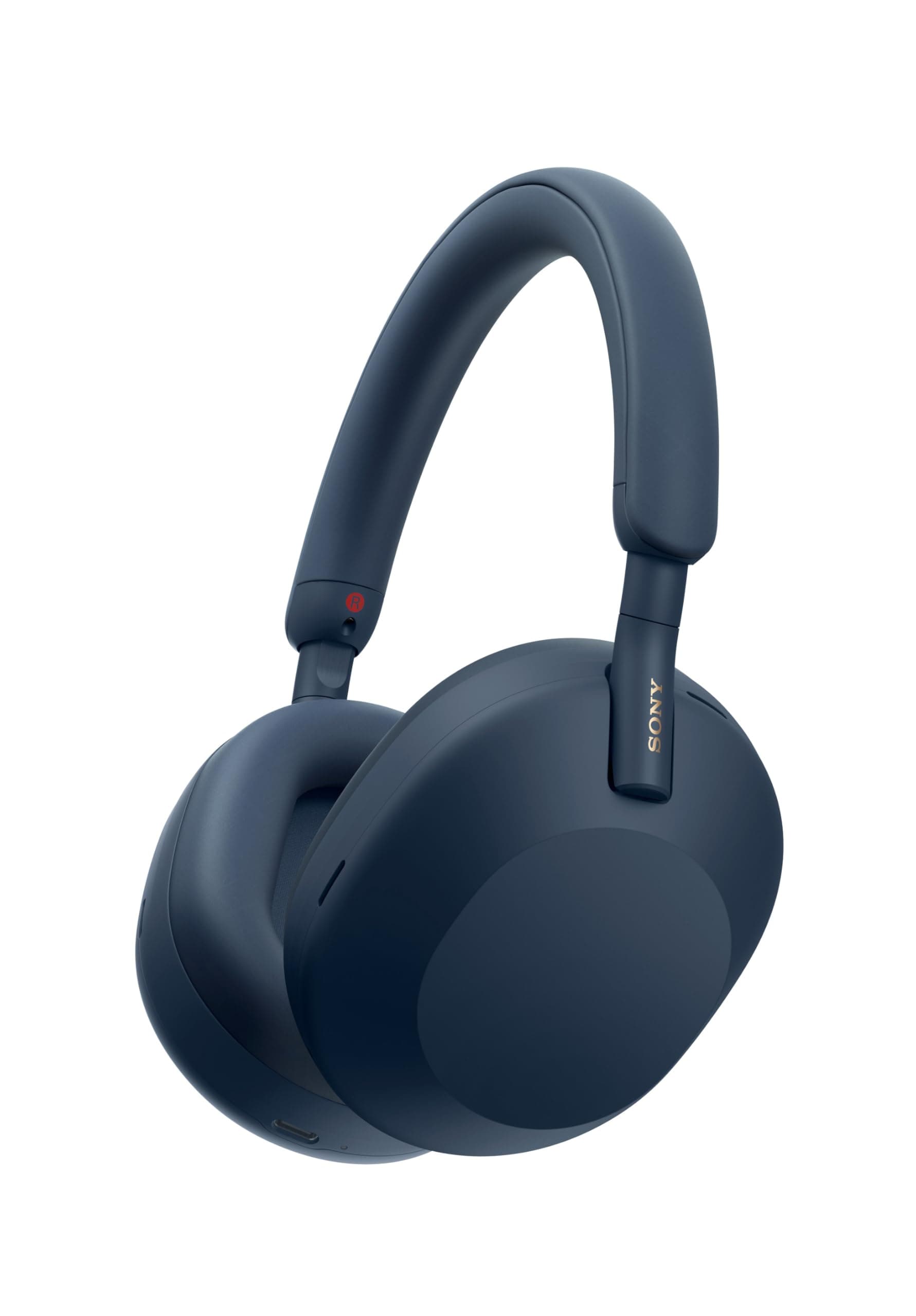
The Sony WH-1000XM5 headphones present a classic case of brilliant engineering undermined by a critical design flaw. On paper and in initial demos, they are everything a premium headphone should be: their noise cancellation is arguably the best in the consumer market, and with a little EQ tweaking, the sound is rich and detailed. However, the social media hype and glowing tech reviews obscure a darker reality confirmed by thousands of long-term users. A pervasive, well-documented hinge defect has led to widespread product failure and even a class-action lawsuit. While the performance is stellar, the risk of owning a pair of expensive, fragile headphones that the manufacturer may not cover under warranty is too significant to ignore. They excel in a quiet room but may not survive the rigors of a daily commute.
What Went Viral
With over 2.2 million views on TikTok alone, the Sony WH-1000XM5 became a benchmark for premium audio on social media. Creators and tech influencers consistently showcase their almost magical ability to silence the world. Viral videos often feature dramatic before-and-after demonstrations on noisy airplanes, bustling city streets, or loud cafes, where the activation of the Active Noise Cancellation (ANC) creates an instant bubble of silence. This best-in-class ANC performance, combined with praise for their lightweight comfort during long listening sessions and high-fidelity audio, cemented their status as the go-to recommendation for anyone seeking the ultimate noise-canceling experience.
What the Comments Actually Say
Digging past the initial influencer praise reveals a deeply divided user base. While the performance is lauded, a catastrophic hardware issue dominates the conversation. Reddit discussions in forums like r/SonyHeadphones are filled with praise for the core features, with users calling the noise cancellation "insane" and an "oasis of calm." Many agree that after adjusting the EQ in Sony's app, the sound quality becomes "much brighter and clearer," moving away from the muddy bass of the default profile.
However, this praise is consistently overshadowed by a single, critical issue: build quality. One Reddit user summarized the sentiment perfectly: "You can't go one week on this subreddit without seeing a broken XM5."
This isn't isolated feedback. The most prevalent complaint by far is a defective hinge design that causes the headphones to crack and break under normal use, sometimes within months. The problem is so widespread that it prompted a class-action lawsuit in April 2026, alleging Sony knowingly sold a defective product and subsequently denied warranty claims by classifying the breaks as "physical damage." A poll by the publication SoundGuys found that a staggering 47% of XM5 owners experienced some form of product failure. Other, less severe complaints include the non-foldable design, which makes the carrying case bulky and inconvenient for travel compared to previous models.
Technical Comparison
Compared to standard noise-canceling headphones, the Sony WH-1000XM5 operates in a different league, primarily due to its processing power and software. The headphones utilize two separate processors and eight microphones to power their Auto NC Optimizer, which automatically adjusts the level of noise cancellation based on your environment. This is far more sophisticated than the basic on/off ANC found in many competitors. Furthermore, the XM5s support Sony's LDAC codec, allowing for the wireless transmission of high-resolution audio from compatible devices—a feature typically absent from standard Bluetooth headphones, which rely on lower-quality SBC or AAC codecs. Features like multipoint connection, Quick Attention mode, and extensive EQ customization via the companion app create a user experience that standard alternatives simply cannot match.
The Catch
The catch isn't a minor inconvenience; it's a potential product-ending flaw. The overwhelming evidence from user reports, forums, and legal action points to a fundamental defect in the hinge assembly. For a premium device intended for daily use and travel, this level of fragility is unacceptable.
The core conflict is that you are paying a premium price for industry-leading technology housed in a chassis that many users report is not durable enough for its intended purpose. The risk of the hinge breaking and facing a costly repair bill, potentially denied by Sony's warranty service, makes this a significant gamble.