The Verdict
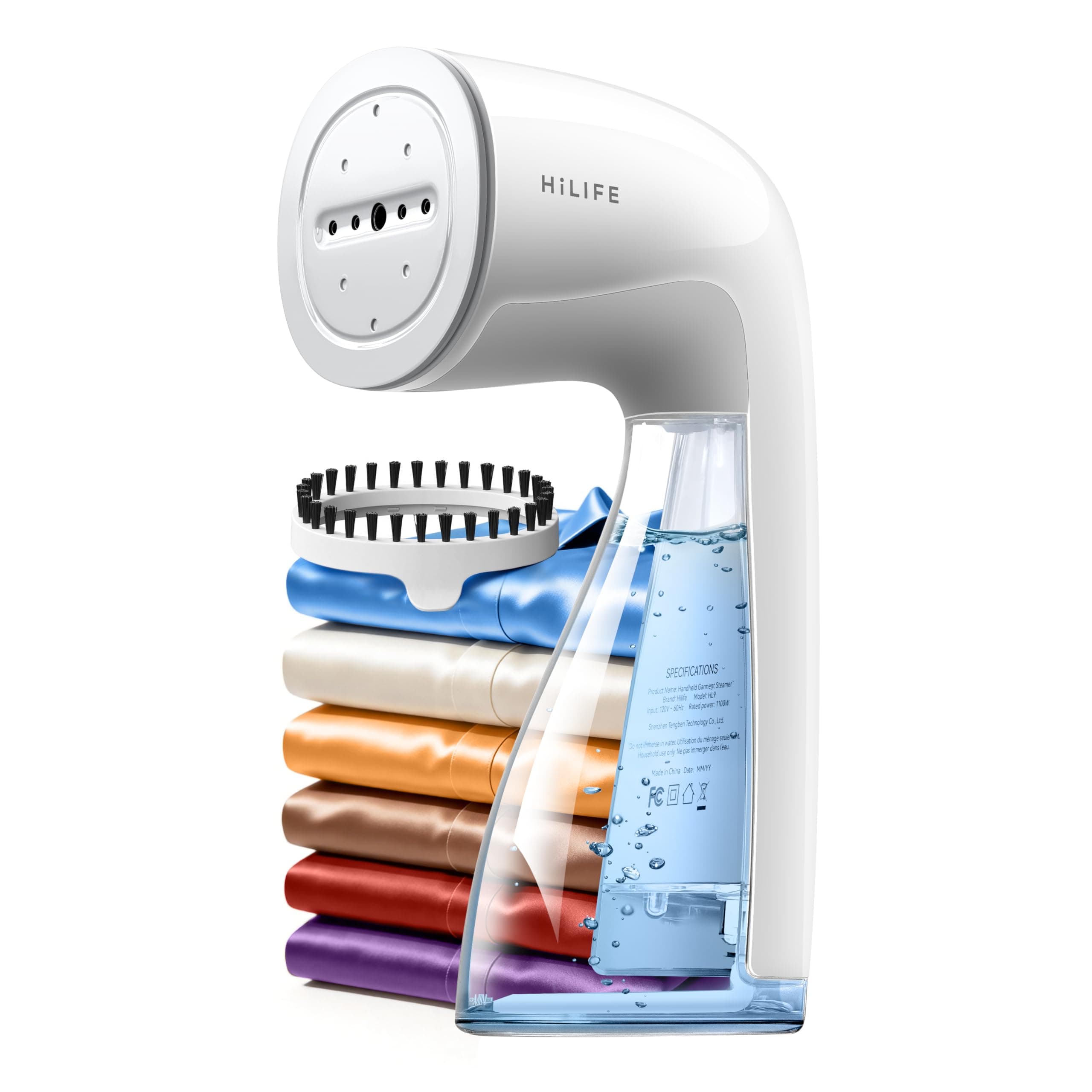
The HiLIFE Handheld Steamer largely delivers on its viral promise of speed and convenience. For quick touch-ups, travel, and refreshing delicate garments, it's a powerful and effective tool that heats up in under a minute and genuinely smooths out wrinkles from packing and daily wear. It won't give you the razor-sharp creases of a traditional iron, and it struggles with deeply set wrinkles in heavy fabrics. But for the majority of everyday tasks, it makes getting ready significantly faster.
Its core value isn't replacing your iron entirely, but rather replacing the need to iron 90% of the time. For anyone who hates setting up an ironing board for a single shirt, this is a game-changer.
However, a recurring and serious complaint about the unit spitting brown water after several uses prevents it from earning a perfect score. While not universal, it's a significant enough risk to be a major consideration.
What Went Viral
With over 2.5 million views, the HiLIFE steamer became a fixture on TikTok's 'For You' page, slotting perfectly into "travel essentials," "Amazon finds," and "packing hack" videos. Creators showcased its seemingly magical ability to erase wrinkles from a crumpled shirt in seconds. The visual appeal is obvious: a compact, modern-looking device emitting powerful clouds of steam that visibly smooth fabric in real-time. The videos capitalized on the universal dislike of ironing, presenting the HiLIFE as a quick, effortless alternative that fits neatly into a suitcase or a small apartment.
What the Comments Actually Say
Beneath the polished TikToks, real-world user feedback is mostly positive but far more nuanced. The consensus across Reddit, YouTube, and Amazon is that the steamer excels at its primary job.
Reddit commenters consistently praise its portability, fast heat-up time, and effectiveness on materials from cotton to silk. One user noted the convenience of its 9-foot power cord, while another recommended it for quick touch-ups, highlighting its light weight and simple one-button operation. YouTube reviewers echo this, with one calling it "fairly impressive" for blazer wrinkles and another suggesting it could replace an iron for their linen garments.
However, the limitations are just as consistent.
A common critique is that while it's great for a few items, the 300ml tank is too small for "marathon sessions," as one Redditor put it. Others confirm it struggles with "deeply set wrinkles" that only a hot iron can tackle.
The most alarming feedback comes from Amazon's critical reviews. One user reported a fantastic initial experience that turned sour: "I was steaming a wedding dress and it shot out brown water onto the dress...it is now garbage as I can’t continue to have it ruin garments."
Technical Comparison
The HiLIFE Steamer's specs are solid for its category: 1100 watts of power, a 300ml water tank, and a claimed 30-second heat-up time. This puts it on par with or slightly above many handheld competitors. Compared to a traditional iron, it's a different tool for a different job. An iron uses direct, high heat and pressure to flatten fibers and create sharp creases. The steamer uses hot vapor to relax fibers, causing wrinkles to fall out.
HiLIFE Steamer:
- Best for: Quick touch-ups, travel, delicate fabrics (silk, linen), refreshing clothes.
- Pros: Fast, portable, no ironing board needed, low risk of scorching.
- Cons: Not for sharp creases, less effective on deep wrinkles, potential for mineral buildup.
Traditional Iron:
- Best for: Formal wear, heavy fabrics (denim, thick cotton), achieving sharp creases.
- Pros: Extremely effective on all wrinkle types, precise control.
- Cons: Slow setup, requires an ironing board, high risk of burning fabric.
The Catch
The most significant catch isn't its performance on wrinkles, but its long-term reliability. The top critical Amazon review detailing the steamer spitting brown, garment-staining water is a major red flag. This issue, likely caused by mineral buildup from tap water, turns a convenient tool into a potential liability. While some Reddit users proactively recommend using only distilled or purified water to prevent this, the manufacturer doesn't heavily emphasize this, leading to a predictable and costly failure point for unsuspecting users.