The Verdict
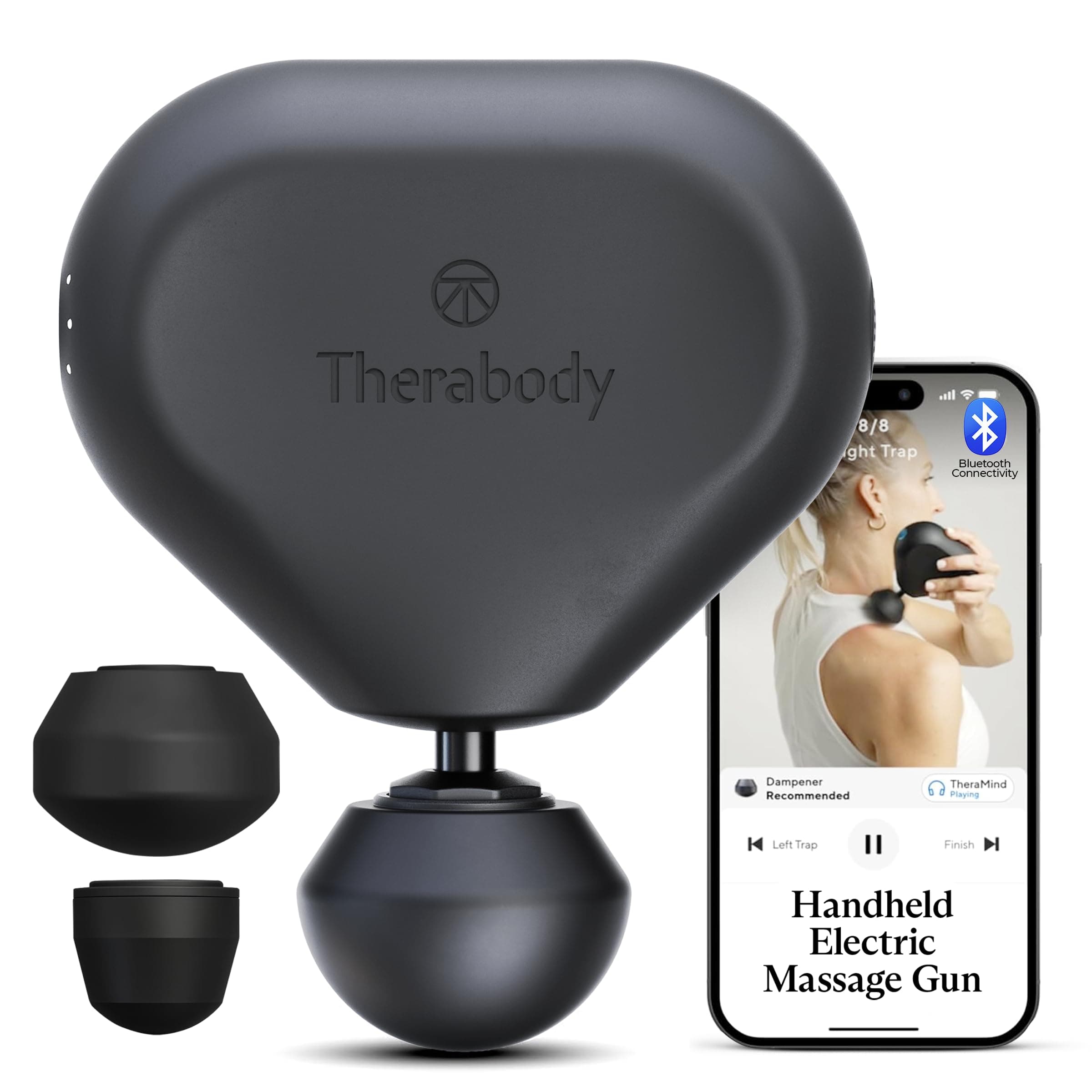
The Therabody TheraGun Mini (3rd Generation) is a marvel of miniaturization, delivering on its promise of ultra-portable muscle relief. It successfully shrinks the percussive therapy experience into a device you can toss in any bag, making it a go-to for travelers and casual gym-goers. With a strong 4.6-star Amazon rating, it clearly satisfies users looking for convenience and on-the-go relief from general aches. However, this portability comes at a cost. Veterans of the Theragun ecosystem and users seeking intense, deep-tissue treatment will likely find this iteration underpowered, a sentiment echoed in niche online communities.
For new users prioritizing convenience and travel-readiness above all else, the TheraGun Mini is an excellent, well-designed tool. For power users accustomed to the intensity of older or full-sized models, this latest generation may feel like a step backward.
What Went Viral
With over 2 million views on TikTok, the TheraGun Mini's virality is easy to understand. Videos showcase its impossibly small form factor tackling muscle knots in airports, post-hike, or right at an office desk. The appeal is immediate: a powerful, trusted brand name in a package that eliminates the bulk and inconvenience of traditional massage guns. The slick design, quiet operation, and the promise of immediate, effective pain relief anywhere created the perfect storm for social media success, positioning it as an essential gadget for the modern, active lifestyle.
What the Comments Actually Say
Beneath the polished surface of the For You Page, a more nuanced conversation is taking place. Across platforms, real user feedback is decidedly mixed-to-positive. On the TikTok Shop, the device holds a respectable 4.5-star rating, with many users praising its effectiveness for shoulder, neck, and leg pain. Yet, these positive comments are often followed by complaints about the battery life, with some claiming it needs a charge after only three uses, and frustration over the missing wall adapter for its USB-C cable.
Reddit discussions are even more divided. In one thread, a user praised the Gen 3's smaller size, smoother massage, and travel lock feature compared to the Gen 2. However, another viral thread titled "The Theragun Mini Gen 3 is complete garbage" tells a different story.
A long-time user who owned a Gen 1 for five years reported the Gen 3 had a significant "reduction in percussion at max speed" and provided "no deep tissue relief whatsoever," prompting them to return it. Other commenters echoed these concerns about reduced intensity.
YouTube reviewers tend to land in the middle. They applaud the portability, USB-C charging, and app integration, but nearly all point out the trade-offs. Reviewers like Best Massage Tech noted the Gen 3's shorter stroke length, suggesting it's better suited for general aches than for high-level athletes who would benefit from the power of older or full-sized models. There are also isolated but concerning reports of a "burning oil" smell, indicating potential overheating.
Technical Comparison
The TheraGun Mini Gen 3 is engineered for portability, not peak power. It features three speeds (1750, 2100, and 2400 PPMs), a 150-minute battery life, and handy features like a travel lock. Its primary technical sacrifice is its stroke length—the distance the head travels back and forth. This is shorter than on previous Minis and significantly shorter than full-size models.
A standard, full-size massage gun offers a longer stroke length for deeper muscle penetration, higher stall force to handle more pressure without stopping, and a larger battery. The Mini prioritizes a compact motor and body, which inherently limits its ability to deliver the same therapeutic depth as its larger counterparts.
While the USB-C charging is a modern convenience, the lack of an included power brick is a cost-cutting measure that feels out of place on a premium $170 device.
The Catch
The core issue with the TheraGun Mini (3rd Gen) isn't a defect; it's a deliberate design choice that isn't always transparent in its marketing. The device has been optimized for a broader, more casual audience at the expense of the power users who built the brand's reputation. The reduced percussion intensity and shorter stroke length are dealbreakers for anyone seeking genuine, deep-tissue therapy to break up serious knots or aid in athletic recovery. For them, the 3rd Gen Mini simply doesn't push hard or deep enough, a sentiment strongly voiced by disappointed long-time customers on platforms like Reddit.