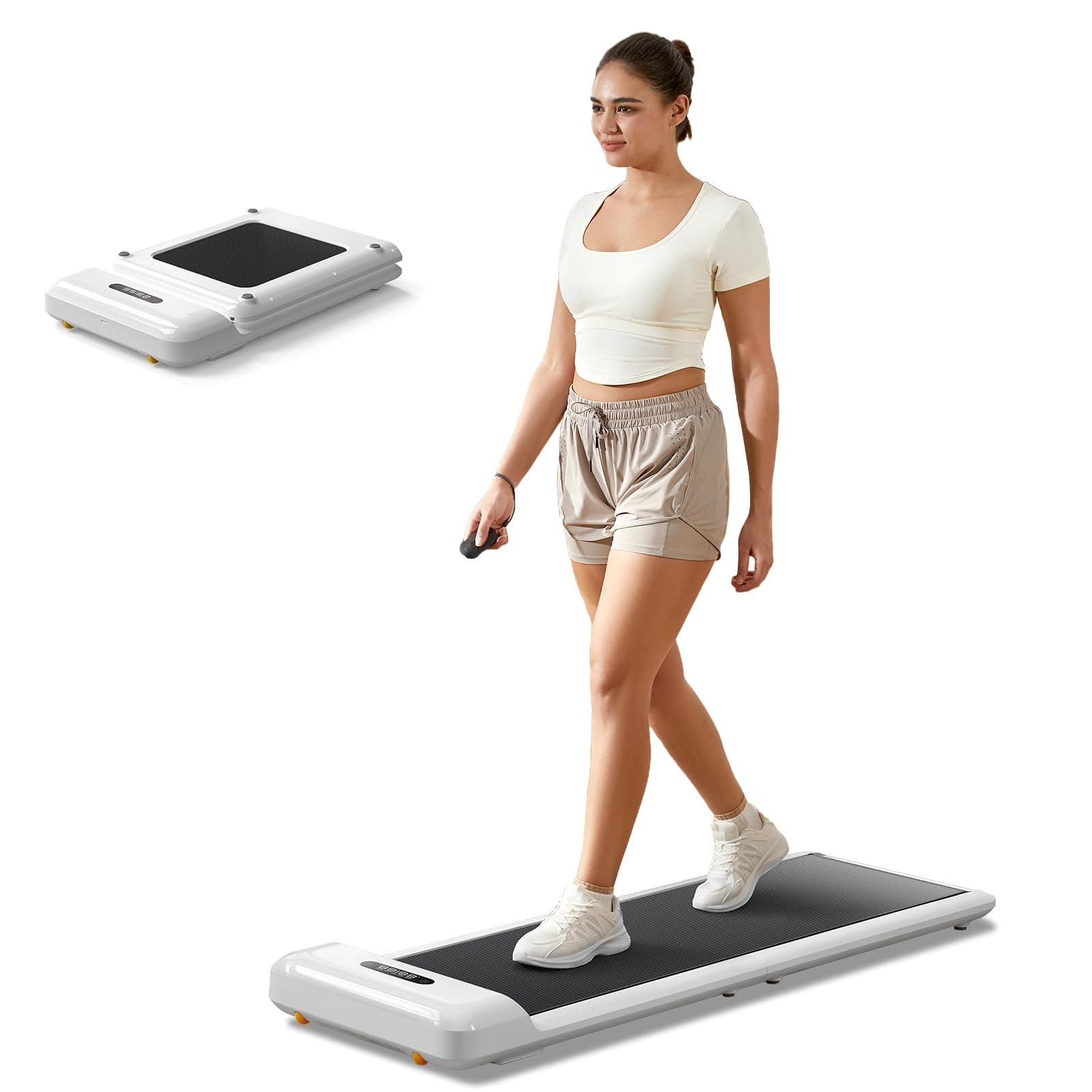
The Verdict
The WALKINGPAD C2 is a clever solution to a modern problem: staying active while tethered to a desk. It largely delivers on its promise of a quiet, compact, and storable walking treadmill that seamlessly integrates into a work-from-home lifestyle. For remote workers in small spaces who prioritize getting their steps in over intense cardio, it's a compelling purchase. However, the viral hype glosses over significant user-reported concerns about its long-term durability, particularly around the folding mechanism. It's a great concept with a potentially critical flaw.
For the right user—someone in a small apartment needing a low-impact way to walk while working—the C2 is a game-changer. But potential buyers should weigh the convenience against reports of the walking belt bubbling or detaching at the fold.
What Went Viral
With over 600 million views on TikTok, the walking pad trend has exploded, and the WALKINGPAD C2 is frequently at the center of it. Viral videos typically feature aesthetically pleasing home office setups where creators effortlessly walk while typing, taking calls, or watching TV. The appeal is obvious: it transforms sedentary screen time into productive physical activity. Influencers and everyday users alike showcase its slim profile, sliding it under a couch or bed with a satisfying flourish, cementing its image as the ultimate wellness gadget for the modern remote worker. The core message is simple and powerful: you don't need a gym or even extra time to hit your 10,000 steps.
What the Comments Actually Say
Beneath the glossy surface of sponsored posts, real user feedback is more nuanced. While the Amazon rating is a strong 4.4 out of 5 stars, a deeper dive into Reddit and YouTube reveals a mix of praise and problems.
Across platforms, users celebrate its core features. An Amazon reviewer called it their "favorite way to casually rack up steps while watching tv," praising its quiet operation and nonexistent setup. On Reddit, users in forums like r/WFH frequently confirm it helps them achieve step goals, with one user noting a jump from 5,000 steps a week to 10,000 steps a day.
However, a pattern of complaints emerges. The most serious concern is durability. A Reddit commenter in r/treadmills reported that the folding mechanism caused the belt's glue to detach, creating "air bubbles and loud noises" after only the second use. This isn't an isolated incident. Another recurring issue is the machine's weight. Despite being marketed as portable, multiple YouTube reviewers and Reddit users note its 62-pound weight and awkward wheels make it difficult to move, especially side-to-side or between floors.
A YouTube reviewer from "Couple of Expats" confirmed it's "a lot on the heavier side and cannot be transported a big distance at least easily." Other common complaints include a "glitchy" and unreliable automatic speed mode and a requirement to place it on hard floors, not carpet.
Technical Comparison
The WALKINGPAD C2 isn't trying to be a traditional treadmill, and that's its biggest strength and weakness. Compared to a standard, non-folding treadmill, the C2 is significantly more compact, designed specifically for under-desk use with a top speed of 3.72 MPH. It's quieter, lighter (though still heavy), and foldable for storage.
A standard treadmill, by contrast, is built for running. It offers higher top speeds, incline adjustments for varied intensity, and a generally more robust, stable frame. You can't slide it under a couch, and it will dominate any room it's in, but it provides a more comprehensive cardio workout. The C2 is a single-purpose device for walking; a standard treadmill is a multi-purpose fitness machine. The choice depends entirely on your available space and fitness goals.
The Catch
The central catch with the WALKINGPAD C2 is the potential conflict between its main feature—foldability—and its long-term durability. The seam where the device folds is a structural weak point, according to multiple user reports. The walking belt can begin to bubble, lift, or detach from the deck at this fold, creating noise and an uneven walking surface. While many users may never experience this, it's a significant risk for a $400 machine, turning its most innovative feature into its biggest liability.