The Verdict
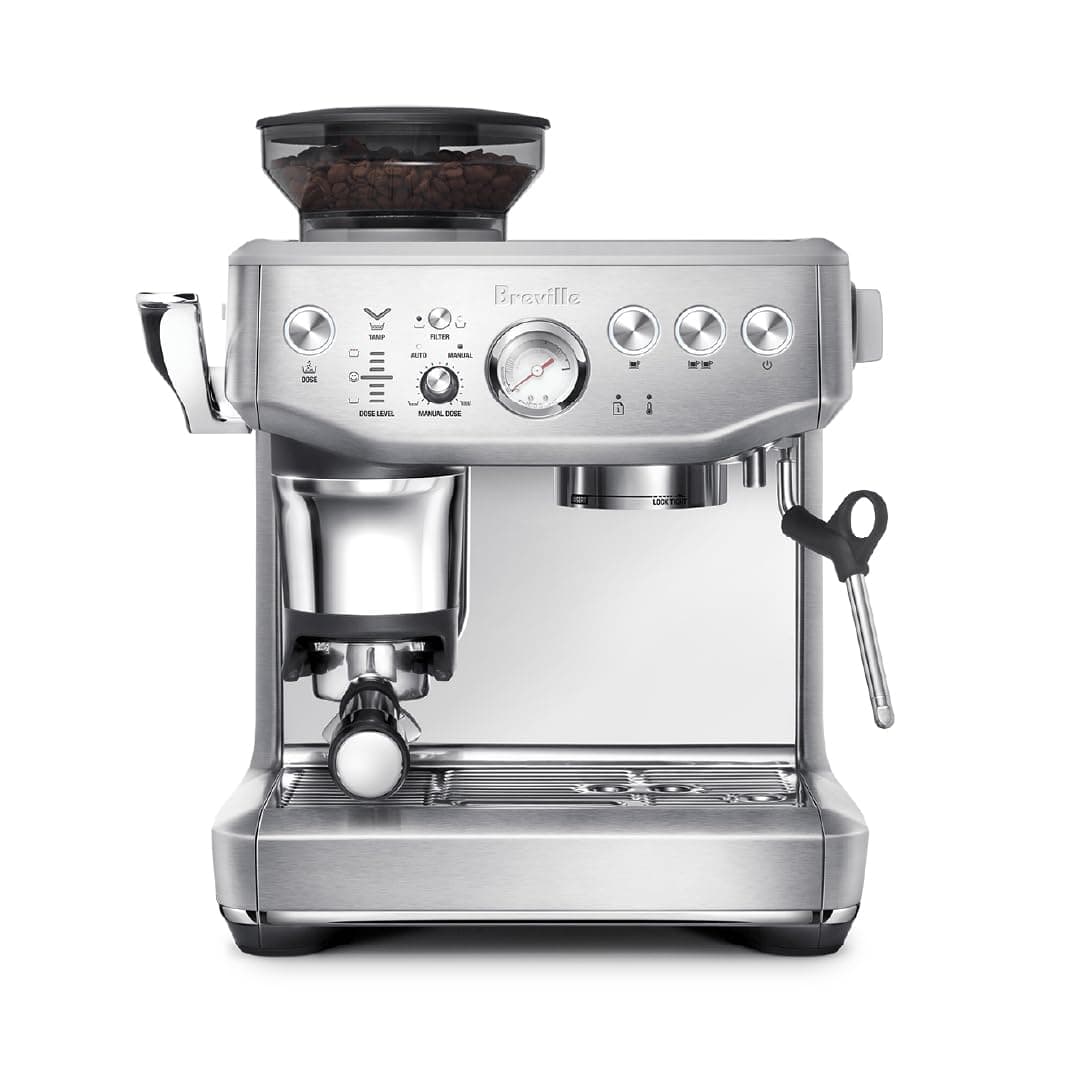
The Breville Barista Express Impress is a brilliantly engineered machine for a very specific user: the aspiring home barista who is intimidated by the steep learning curve of traditional espresso. Its signature 'Impress' system, which automates dosing and tamping, genuinely simplifies the most difficult parts of the process, making good, consistent coffee accessible right out of the box. While it has a high 4.3-star rating on Amazon, seasoned enthusiasts will quickly hit the ceiling of its capabilities, particularly with the built-in grinder and restrictive workflow. For beginners prioritizing convenience and consistency over ultimate control, it's a fantastic, if pricey, entry point into the world of espresso.
For those graduating from pod-based systems, this machine is a revelation. As one Amazon reviewer put it, "This machine makes 1000% better coffee. I even feel like it's more caffeinated this way? Overall, so easy to use. It's a smart machine."
What Went Viral
The Barista Express Impress flooded TikTok and YouTube feeds for a simple reason: it promises a cafe-quality experience without the barista-level skillset. With over 3.5 million views, videos showcase its sleek stainless steel design and, most importantly, the 'Impress Puck System.' This feature, with its intelligent dosing and assisted tamping, visually demystifies the espresso-making process. Creators demonstrated pulling perfect-looking shots with minimal effort, an appealing proposition that, combined with frequent Amazon sales, made it the go-to upgrade for anyone tired of their Nespresso pods.
What the Comments Actually Say
Beneath the glossy surface of viral videos, real user feedback is more nuanced. While the machine is widely praised by beginners, a consensus emerges among more experienced users about its limitations.
On Reddit, users in r/espresso and r/BrevilleCoffee frequently commend its ease of use. One user noted how simple it was to make Americanos, calling the assisted tamping a valuable tool for consistency. However, the same forums are filled with complaints about the integrated grinder. Reddit user "carlthecraftsman" cited its lack of fine adjustments as a reason for upgrading to a standalone grinder, a sentiment echoed by many who see it as the machine's weakest link.
A significant point of frustration is the workflow. As Reddit user "Daddy-Legs" pointed out, the system forces you to tamp before you can use a Weiss Distribution Technique (WDT) tool for puck prep, calling the process "silly" and prone to spills.
YouTube reviews confirm this split opinion. Reviewers like Kyle Rowsell praise the intuitive tamper for beginners but agree the grinder is the first component users will outgrow. Others point to the slower thermocoil heating system (compared to Breville's more modern ThermoJet) and shot-to-shot inconsistency as notable drawbacks.
Technical Comparison
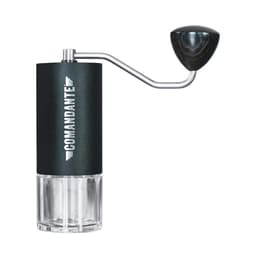
A standard home espresso setup involves a separate machine and a high-quality burr grinder, giving the user full control over every variable: grind size, dose weight, distribution, and tamping pressure. This modular approach allows for individual components to be upgraded over time and offers a higher performance ceiling. However, it demands a significant investment in both money and time to learn, with a steep learning curve and a larger counter footprint.
The Breville Barista Express Impress integrates the grinder and a guided tamping system. Its 25 grind settings are adequate for beginners but lack the micro-adjustments of a dedicated espresso grinder. The 'Impress' system standardizes the tamp to 10kg of pressure, removing a major source of user error. The trade-off is a loss of control and the inability to perform advanced puck preparation that enthusiasts rely on to perfect their extraction.
The Catch
The core appeal of the Barista Express Impress—its all-in-one, guided system—is also its biggest limitation. The integrated grinder is merely adequate and will be the first component that holds you back from achieving truly exceptional espresso. More critically, the fixed workflow, which forces a tamp before you can access the puck, prevents the use of common distribution tools (like WDT), locking you out of a key technique for improving shot quality. You're buying into a closed system that's easy to learn but difficult to grow with.