The Verdict
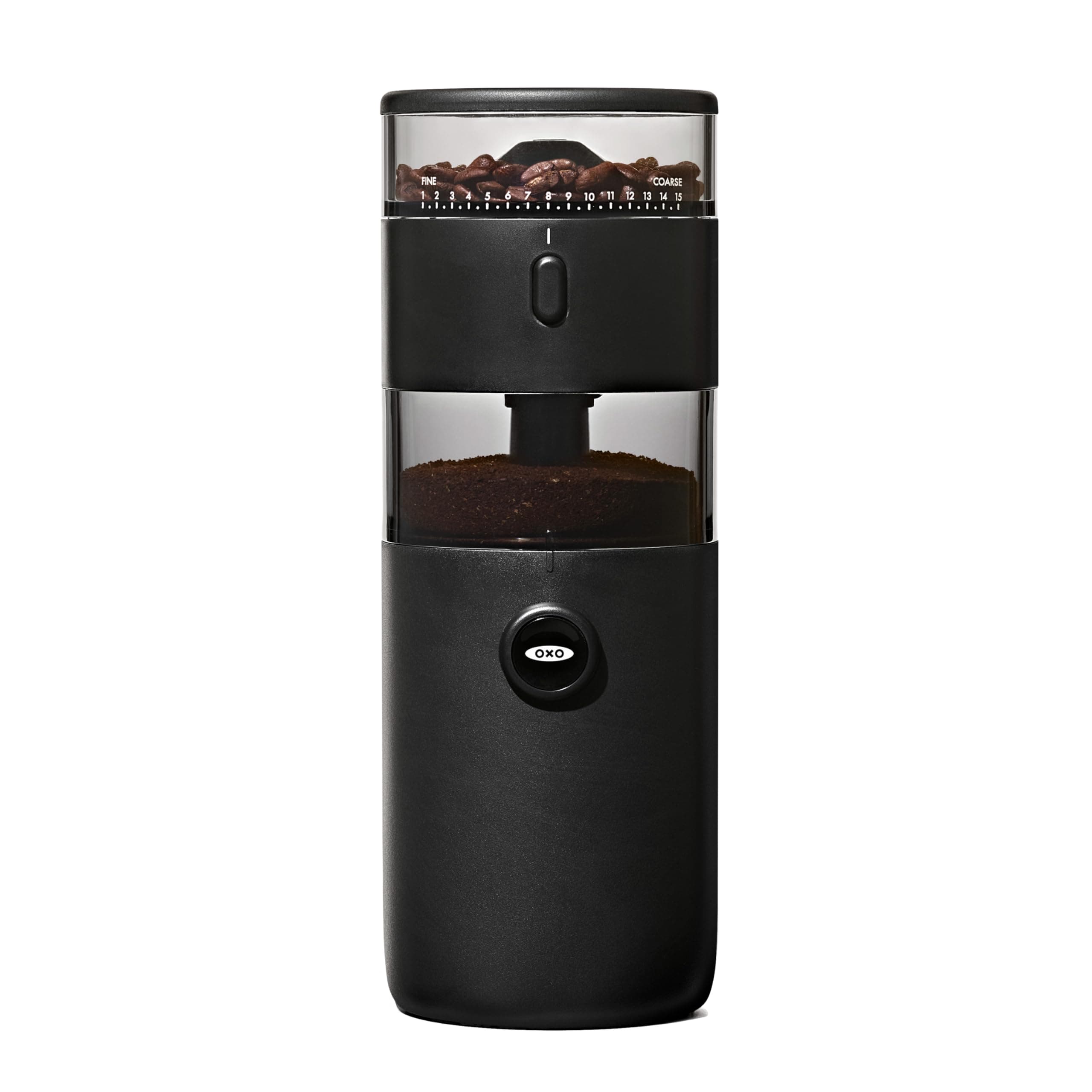
The OXO Brew Compact Conical Burr Coffee Grinder earns its place as a 'Best Value' pick for a specific user: the home coffee drinker graduating from a basic blade grinder. For under $80, it delivers a significant and immediate improvement in grind consistency for drip, AeroPress, and French press coffee. Its simple one-touch operation and compact design make it an accessible entry point into better brewing. However, aspiring espresso aficionados or meticulous pour-over brewers will quickly hit its performance ceiling. Widespread complaints about static, noise, and an inability to grind fine enough for true espresso prevent it from being a universal recommendation. It's a fantastic first step, but not the final word in home grinding.
What Went Viral
The OXO Burr Grinder didn't explode through a single viral dance challenge, but through a steady drumbeat of approval from tech and coffee reviewers. It consistently appears in 'Best Coffee Grinders of 2026' lists on YouTube and blogs, racking up over 600,000 views in related TikToks. The appeal is clear: it promises the consistent, quality grind of a conical burr system—the gold standard for good coffee—in a user-friendly, affordable, and countertop-friendly package from a trusted brand. It became the default recommendation for anyone looking to upgrade their coffee game without a steep learning curve or a hefty investment.
What the Comments Actually Say
While influencer reviews are largely positive, real-world user comments paint a more nuanced picture. The sentiment is decidedly mixed, splitting along the lines of brewing method.
Reddit users in communities like r/pourover and r/espresso frequently caution new buyers. A common thread is that the grinder struggles at the extremes: it doesn't grind fine or consistently enough for non-pressurized espresso, and often produces too many 'fines' (tiny coffee dust particles) for a clean pour-over, leading to a muddy cup.
Across platforms, three complaints are consistent: noise, static, and build quality. Many Reddit commenters describe it as 'noisy and messy,' noting that static causes coffee grounds to cling to the container and spray across the counter. Others have raised concerns about the plastic grind dial wearing out over time, reducing its precision. On the positive side, users upgrading from blade grinders praise its performance for drip machines, AeroPress, and cold brew, calling it a 'game-changer' for their daily cup. YouTube reviewers agree, highlighting its ease of use and cleaning as major benefits for beginners.
Technical Comparison
The standard entry point for coffee grinding is a sub-$30 blade grinder, which functions more like a blender, violently chopping beans into uneven fragments. This leads to inconsistent extraction, where some grounds are over-extracted (bitter) and others are under-extracted (sour).
The OXO grinder uses 40mm stainless steel conical burrs to crush beans into a uniform size, a method that is fundamentally superior for flavor clarity and balance. It offers 15 main settings with micro-adjustments, providing far more control than a blade grinder.
However, when compared to prosumer standards like the Baratza Encore, the OXO's limitations become apparent. The Baratza offers a wider range of adjustments and a build quality designed for more rigorous use, particularly for dialing in precise espresso shots. The OXO is a massive leap from a blade grinder but falls short of the precision required by dedicated hobbyists.
The Catch
The marketing positions the OXO as a do-it-all grinder, but its Achilles' heel is espresso. The grinder simply cannot produce a fine, consistent grind that is suitable for a non-pressurized portafilter. Users who buy this grinder hoping to start their home espresso journey will be met with fast, under-extracted shots and immediate frustration. It's an excellent grinder for brewed coffee, but its espresso capabilities are severely limited, a detail often glossed over in glowing reviews.