The Verdict
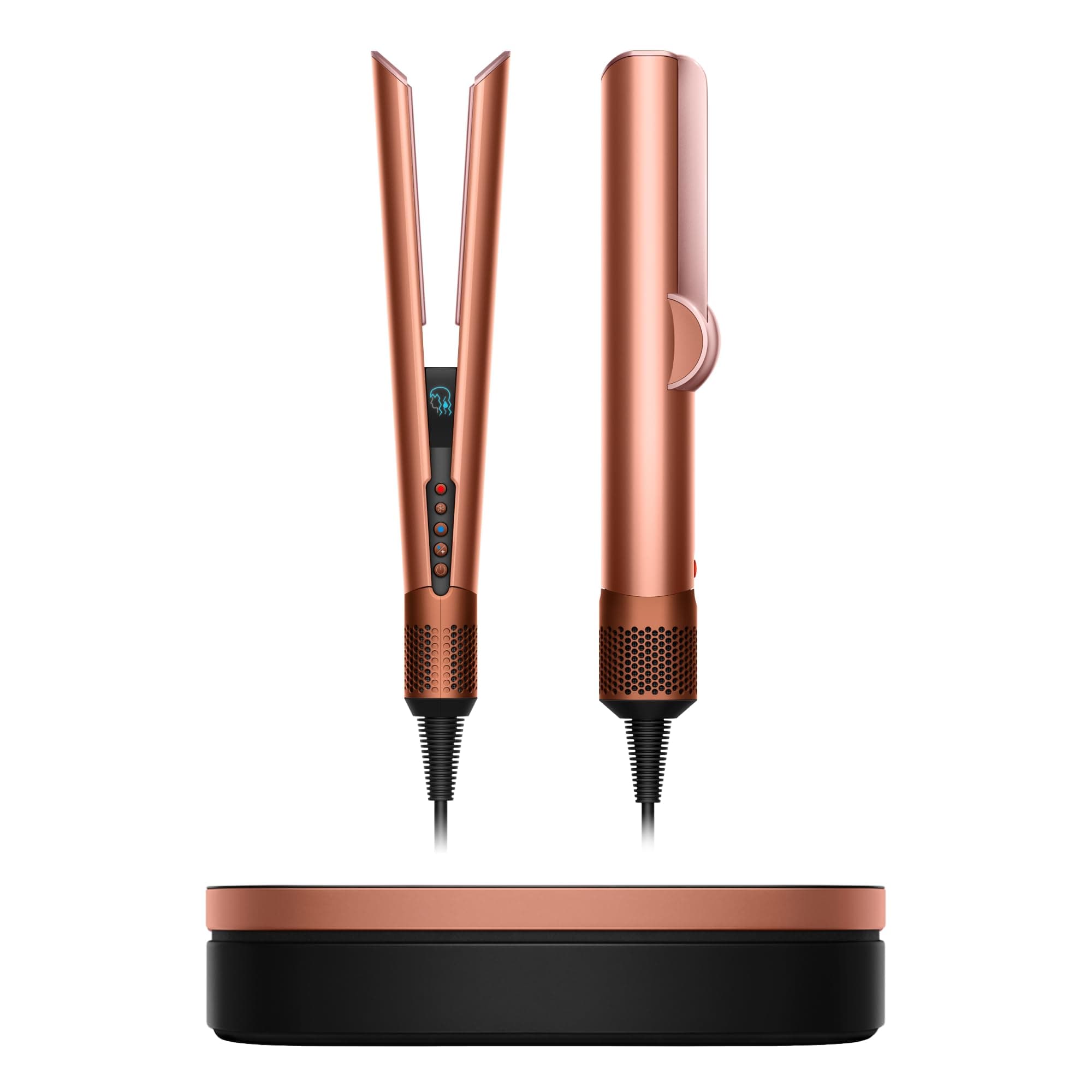
The Dyson Airstrait is a legitimate piece of engineering that successfully merges a blow dryer and a straightener into one powerful, time-saving device. For users with specific hair types—primarily straight, wavy, or moderately curly (up to 3B)—it delivers a smooth, healthy-looking finish with significantly less potential for heat damage than a traditional flat iron. However, its performance is far from universal. The $499 price tag is steep for a tool that struggles significantly with highly textured hair and has received credible reports of causing frizz and damage on very fine or bleached hair. It's a conditional win, not a universal solution.
What Went Viral
With over 2.2 billion views on TikTok, the Dyson Airstrait captured attention with a simple, powerful premise: go from wet, towel-dried hair to a sleek, straight style using only directed air. Videos show users gliding the tool through their hair, leaving a smooth, dry path in its wake. The core appeal is the elimination of hot plates, which Dyson claims prevents the kind of extreme heat damage associated with traditional flat irons that clamp hair between surfaces reaching over 400°F. This promise of a faster morning routine without the typical trade-off of fried, brittle hair is what fueled its viral ascent.
What the Comments Actually Say
The gap between hype and reality is most visible in the user comments across social media. While many echo the marketing claims, a significant number of users report disappointing or even damaging results.
On TikTok, the sentiment is sharply divided. Creators like @emshelx called it "the best thing I've ever used" for achieving smooth hair from wet to dry in minutes. However, the platform was also home to a major controversy surrounding a Dyson ad featuring a model with 4c hair.
As creator Sydney Dionne noted, "anybody who has ever straightened Type 4 hair knows that Airstrait is a laughable concept." The ad sparked widespread backlash, with many commenters feeling it was misleading about the tool's capabilities on coily and kinky hair textures.
Reddit discussions in forums like r/Haircare and r/Dysonairwrap mirror this polarization. One user with thick, frizzy hair celebrated getting better results in a third of the time. Conversely, numerous users complained the Airstrait left their hair poofy, frizzy, or feeling like "straw."
A recurring and serious complaint comes from users with fine or bleached hair. One commenter in r/Haircare warned the Airstrait was "destroying hair, like literally snapping it off" after a year of use, a stark contrast to the "no heat damage" claim.
YouTube reviews tend to be more positive, especially in long-term tests. Reviewers like @thefashionlina and @juliacaban, who used the device for over a year, credit it with reducing split ends and allowing them to grow their hair longer and healthier than was possible with traditional flat irons.
Technical Comparison
The standard method for achieving a sleek look involves two steps and two types of heat: convective heat from a blow dryer, followed by conductive heat from a flat iron. The flat iron's ceramic or titanium plates make direct contact, breaking hydrogen bonds in the hair to reshape it. This is effective but carries a high risk of damage.
The Airstrait replaces the conductive heat of hot plates with a highly controlled, high-velocity jet of hot air angled at 45 degrees. This airflow simultaneously dries the hair and forces it into a straight alignment. It's a fundamentally different mechanism that avoids clamping and scorching the hair cuticle. The trade-off is a potential lack of the pin-straight, sealed-cuticle finish that only a high-heat flat iron can provide, and its bulky design makes it difficult to style roots precisely.
The Catch
The primary catch is the Airstrait's narrow performance window. This is not a one-size-fits-all tool. Its effectiveness is highly dependent on your starting hair type and condition. While it excels on many, it fails spectacularly on others, particularly Type 4 hair. The "no heat damage" claim is also conditional; while it's certainly less damaging than a 450°F flat iron, multiple users with fragile hair have reported significant breakage and dryness, proving that high-velocity hot air is not entirely harmless.