The Verdict
The Dyson Airwrap i.d. is a feat of engineering that largely delivers on its promise of a salon-in-a-box. For those who prioritize hair health and are willing to invest time and money, it provides unparalleled versatility and low-heat styling that traditional tools can't match. Its 4.4-star Amazon rating and positive user feedback confirm its effectiveness. However, the staggering $650 price tag, a notable learning curve, and concerning reports of early device failure make it a luxury, not a necessity. It earns a "Worth It" verdict for its performance, but only for the user with a specific need and a very flexible budget.
What Went Viral
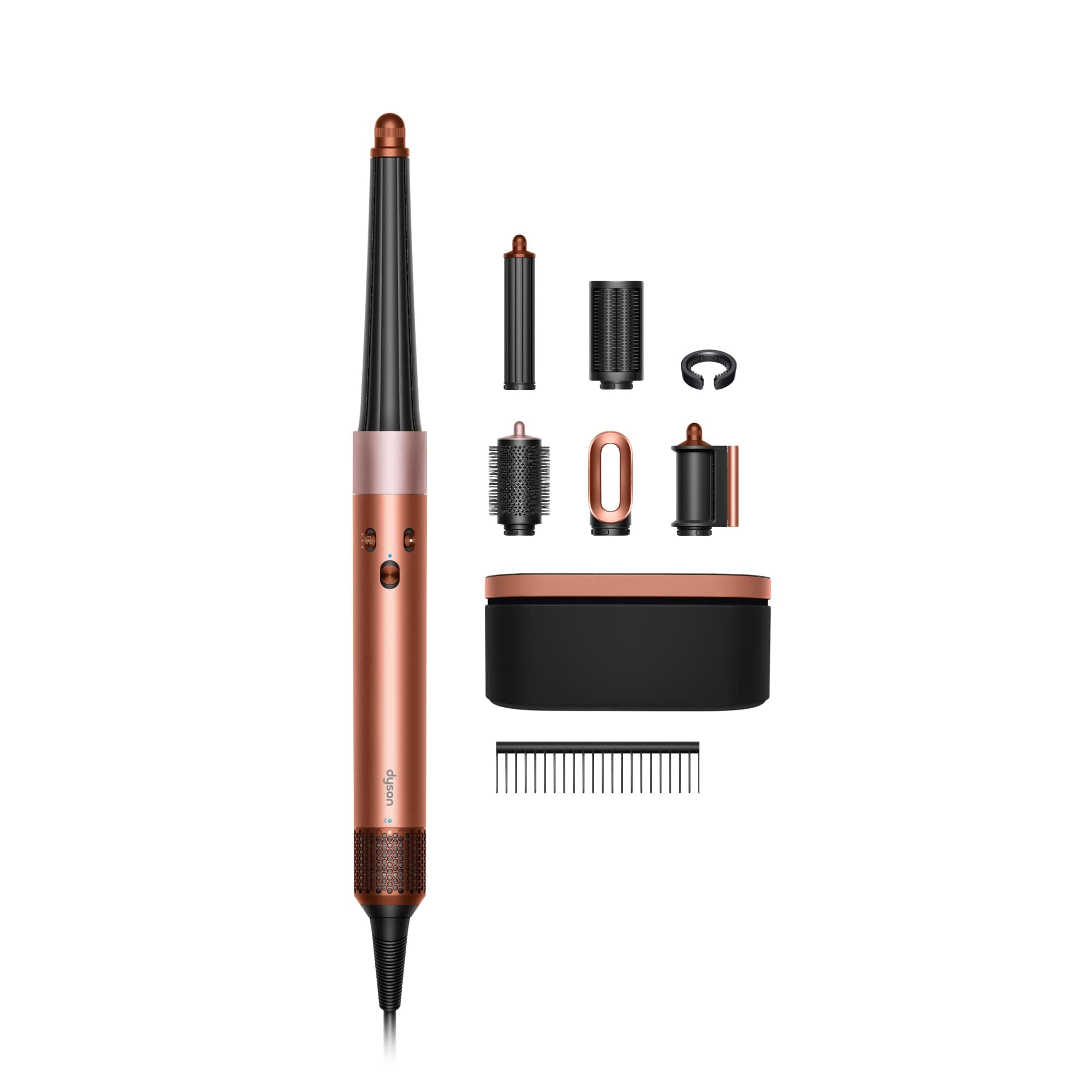
With over 7.2 million views on TikTok, the Dyson Airwrap i.d. continues the legacy of its predecessor as a viral status symbol. The hype isn't just about the brand; it's about the visual magic of the Coanda effect, where strands of hair autonomously wrap around the barrel. Influencers and everyday users flood the For You Page with dramatic before-and-after transformations, turning frizzy, damp hair into a bouncy, voluminous blowout with a single tool. The new "i.d." model adds a layer of tech appeal with Bluetooth connectivity and a personalized styling app, fueling a fresh wave of unboxings and "first impression" videos that showcase its sleek Amber Silk finish and intelligent features.
The core appeal remains unchanged: achieving a professional-looking hairstyle at home without the extreme heat damage associated with traditional curling wands and straighteners.
What the Comments Actually Say
Beyond the polished influencer videos, real user feedback is more nuanced. The 4.4-star Amazon rating is strong, but a dive into the comments reveals a mix of adoration and frustration. An Amazon reviewer whose gift recipient loved the device noted, "it does a very good job controlling frizz and leaves the hair looking smoother and more polished." However, the top critical review is alarming, stating it "stopped working after one time" and detailing a frustrating customer service experience with a proposed 21-40 day repair window for a brand-new, premium device.
On Reddit's r/Dysonairwrap, users praise the new i.d. model for its improved airflow and user-friendly guided styling, which is a boon for beginners. One user commented they got through their hair faster with the new model. However, a common sentiment is that it's not a necessary upgrade for existing Airwrap owners. Criticisms focus on the high price, the learning curve required to master the attachments, and its limited effectiveness on very tight, coily hair types.
As one YouTube reviewer summarized, the Airwrap i.d. offers "smart styling that adapts to you," but comes with a premium price and isn't a perfect fit for every hair type.
Technical Comparison
Compared to a standard toolkit of a blow dryer, round brush, and curling iron, the Airwrap i.d. is in a different league. Traditional tools often rely on direct, high-temperature contact (up to 450°F) to shape hair, which can lead to significant heat damage, dryness, and breakage over time. The Airwrap's primary technology, the Coanda effect, uses a high-speed jet of air to attract and wrap hair, styling it with airflow and much lower, controlled temperatures. This fundamentally reduces the risk of heat damage. Furthermore, its 6-in-1 versatility consolidates multiple tools into one, streamlining the styling process from wet to finished. A standard routine might take three separate steps and tools; the Airwrap aims to do it all in one pass.
The Catch
The most significant catch is the astronomical $649.99 price tag, which places it firmly in the luxury tech category. This cost is difficult to justify when excellent traditional styling tools can be had for a fraction of the price. Beyond the cost, there's a widely acknowledged learning curve; TikTok is filled with "Airwrap hacks" precisely because mastering the tool for long-lasting curls takes practice. Finally, reports of device failure and difficult customer service interactions are particularly concerning for a product at this price point, suggesting that investing in the Dyson ecosystem comes with potential reliability risks.