The Verdict
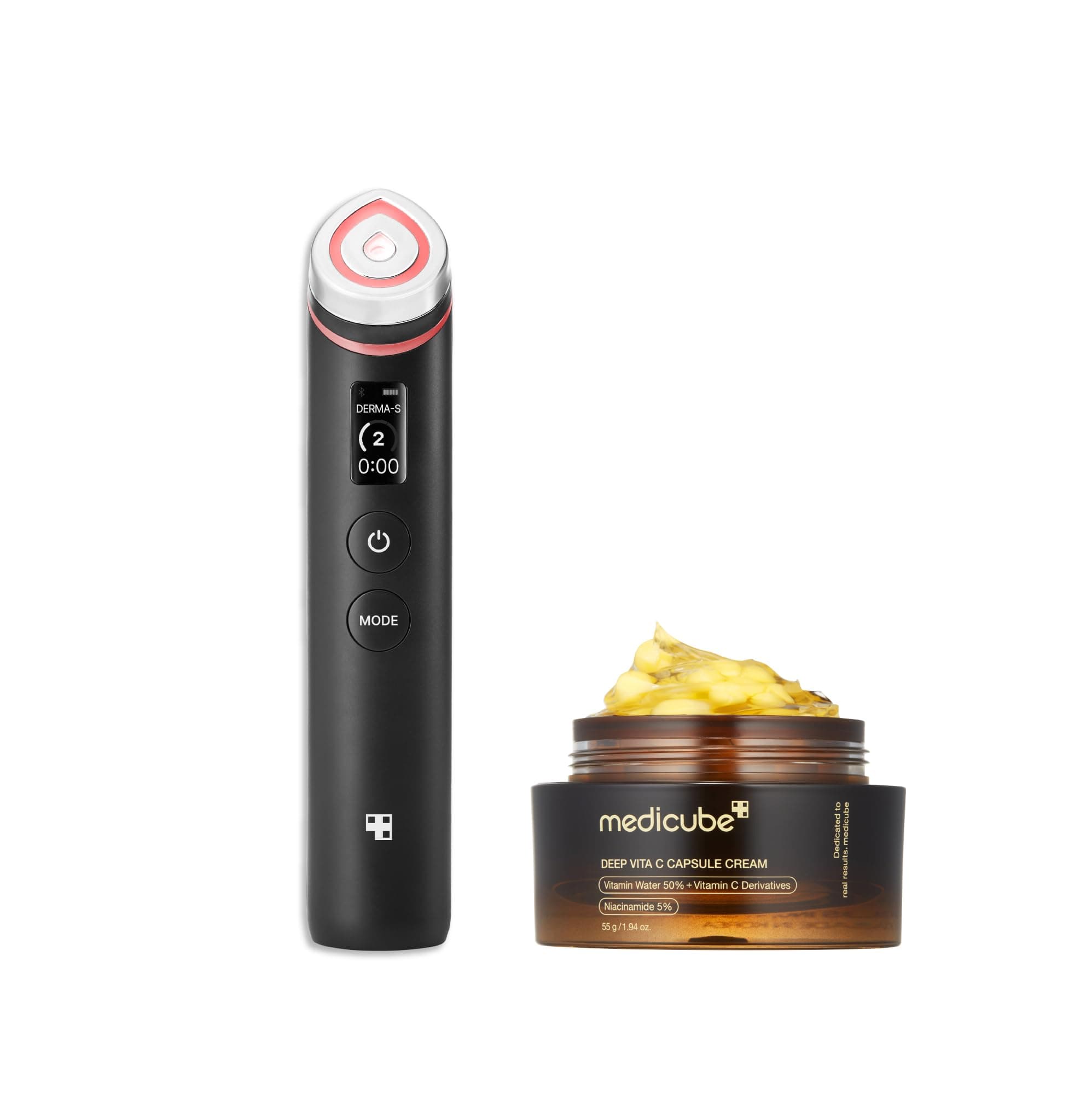
The Medicube Age-R Booster Pro is a complex case of legitimate user satisfaction clashing with aggressive, and at times questionable, influencer marketing. With a stellar 4.8-star Amazon rating, it's clear that a significant number of buyers feel the device delivers on its promise of enhanced skincare absorption and a radiant 'glass skin' glow. However, the social media landscape is rife with skepticism, citing inconsistent results, potential discomfort, and a marketing machine that makes it difficult to trust the hype. For those willing to invest in an at-home beauty gadget and who prioritize user-reported results over influencer narratives, the Booster Pro earns its place on the vanity. For skeptics wary of overhyped tech, the high price and variable outcomes warrant caution.
What Went Viral
With over 6 million views, the Medicube Age-R Booster Pro flooded TikTok For You Pages as the ultimate K-beauty 'glass glow' device. Creators demonstrated its 6-in-1 functionality—touting features like electroporation, microcurrent, EMS, and LED therapy—as a revolutionary way to make expensive serums and creams work harder. Videos typically feature satisfying before-and-after shots, showcasing seemingly brighter, plumper skin and improved texture after just a few uses. The core promise was simple: a professional-grade facial treatment from the comfort of your home, unlocking the full potential of your existing skincare routine.
What the Comments Actually Say
Beneath the glossy surface of sponsored posts, a more complicated picture emerges. While TikTok creators praise the device for visible improvements, the comment sections and other platforms reveal a deep divide.
Reddit discussions in forums like r/KoreanBeauty are a hotbed of mixed experiences. Many users corroborate the hype, reporting smoother, more radiant skin and feeling that their products absorb better. However, an equal number of commenters report seeing no significant difference after weeks of consistent use. More concerning are reports of discomfort, including an 'unbearable twitch' under the eye and aching teeth when using the device near the jawline.
A significant point of contention across platforms is Medicube's marketing strategy. Reddit users point to accusations of the brand being banned from a K-beauty subreddit for allegedly paying for fake reviews, fueling widespread skepticism.
A dermatologist's review on YouTube adds a critical layer of expert analysis. Dr. Jenny Liu conducted a year-long split-face test and concluded that while the device does enhance absorption, she personally didn't notice 'any major changes' in signs of aging. She also brought to light a 'Bell's Palsy controversy,' where a user allegedly developed facial drooping after use, raising safety questions.
Technical Comparison
The Medicube Age-R Booster Pro's primary advantage over a standard skincare routine is its use of active energy-based technologies. A standard routine relies on the passive absorption of products, which can be limited by the skin's natural barrier. The Booster Pro aims to overcome this with electroporation, which uses electrical pulses to create temporary pathways into the skin for deeper ingredient delivery. It also incorporates microcurrent and EMS (Electrical Muscle Stimulation) to stimulate facial muscles for a theoretical lifting and firming effect, and LED light for targeted concerns like inflammation or collagen production.
In essence, the device attempts to replicate multiple professional spa treatments in a single handheld unit. Your hands can massage, but they can't apply a controlled electrical current to enhance permeability or stimulate muscle tissue.
The Catch
The most significant catch is the variance in results versus the certainty of the marketing. The 'glass skin' effect shown on TikTok is not a guaranteed outcome. For a $216 investment, the possibility of seeing no significant difference, as reported by numerous users and even a dermatologist after a year of testing, is a substantial risk. The aggressive influencer marketing, coupled with reports of discomfort and a lack of clear, long-term safety data on at-home electroporation, creates a trust deficit that the high price tag cannot easily overcome.