The Verdict
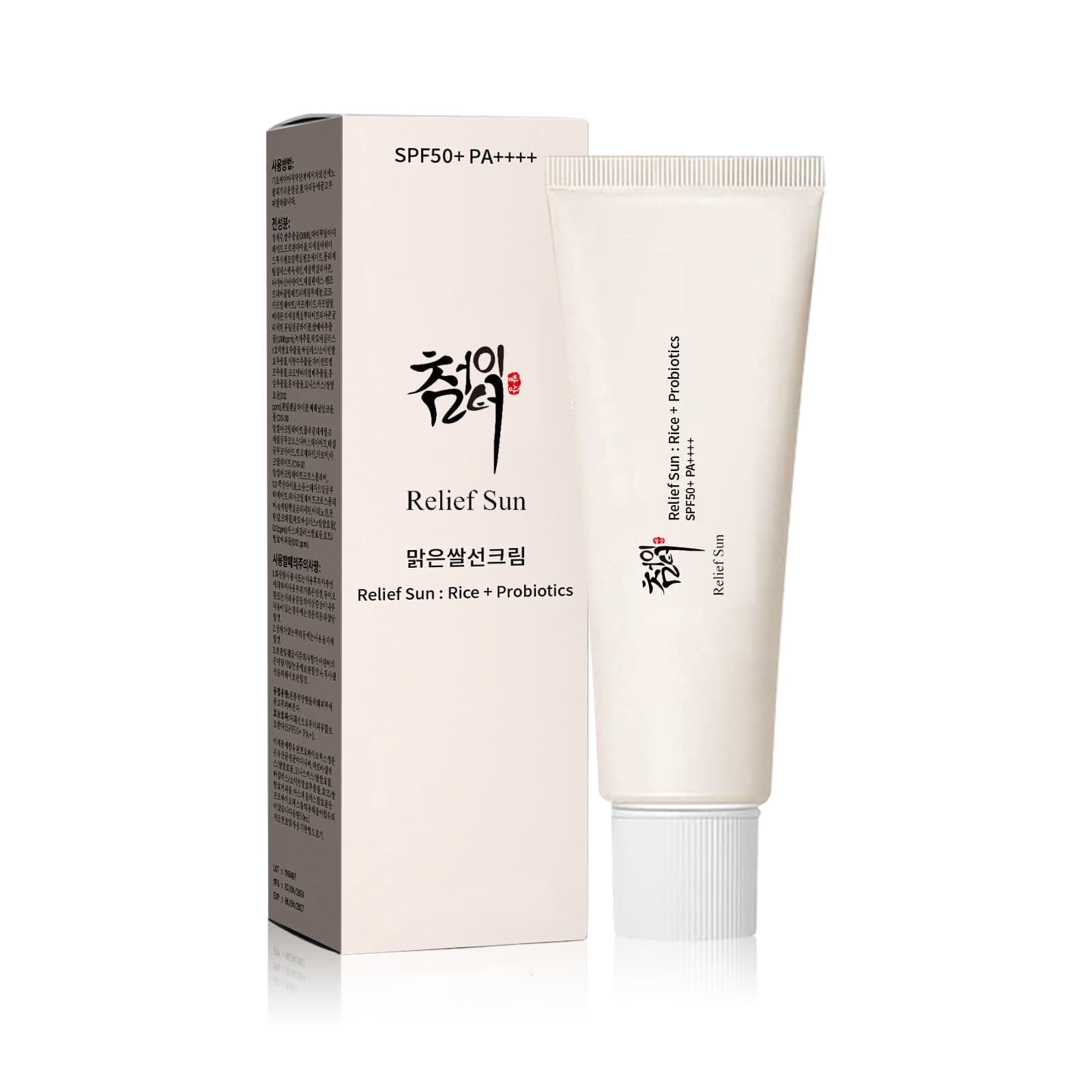
The Beauty of Joseon Relief Sun is a cosmetically elegant sunscreen that delivers on its promise of a lightweight, moisturizer-like feel for many users. Its success on social media is understandable. However, its performance is far from universal. Widespread user reports of pilling when layered with other skincare, an overly shiny finish on oily skin, and, most critically, unexpected breakouts prevent it from achieving the 'holy grail' status touted in viral videos. It’s a decent option, particularly for those with dry, less sensitive skin, but its flaws make it a classic case of social media oversimplification.
For a product praised for its seamless application, the fact that it frequently pills and causes breakouts for a significant minority of users is a major discrepancy between hype and reality.
What Went Viral
With over 5 million views on TikTok, the Beauty of Joseon Relief Sun: Rice + Probiotics SPF50+ exploded in popularity for seemingly cracking the code on daily sunscreen. Creators and beauty editors celebrated its incredibly lightweight, airy texture that absorbs like a high-end moisturizer rather than a traditional, goopy sunscreen. The core claims that drove its virality were its complete lack of a white cast on a wide range of skin tones, its dewy (but not greasy) finish, and how effortlessly it could be reapplied throughout the day without disturbing makeup. It was positioned as the perfect 'all-in-one' morning product: a hydrator and protector that felt like a luxury skincare step, not a chore.
What the Comments Actually Say
While influencer posts are overwhelmingly positive, the comment sections and forums tell a more nuanced story. The top positive Amazon review echoes the hype, stating it "Works and doesn’t break out my mature, acne-prone, ornery skin," and feels soothing and hydrating with no white cast. However, the top critical review calls it "Horrible, way over hyped online!" citing that it "takes years to blend in," causes redness, and "pills up and peels off my face" when used with other products.
This division is mirrored on Reddit. In one January 2026 thread, a user praised it as the "Only sunscreen which didn't break me out." Yet, in the same discussion, others found it "slightly over hyped," prone to pilling, and making oily skin "super shiny." More concerning are recent reports from April 2026 where multiple users linked the product directly to breakouts. One commenter reported papules appearing after a few days of use, which subsided only after they stopped using the sunscreen. Another user, @Wild_Blue4242, reported a "severe reaction" to the formula.
The consensus among real users is that this sunscreen's performance is highly individual. While many adore it, a vocal group experiences significant issues with pilling and skin irritation that are rarely, if ever, mentioned in sponsored TikToks.
Technical Comparison
The viral Beauty of Joseon sunscreen is a specialized, multi-function product designed to provide high SPF protection in a cosmetically elegant formula. Its key ingredients—rice extract, niacinamide, and probiotics—are focused on soothing and hydrating the skin while modern UV filters provide broad-spectrum coverage. The industry standard competitor, CeraVe Moisturizing Cream, is a single-function hydrator. It excels at restoring the skin barrier with ceramides and hyaluronic acid but offers zero UV protection. The viral product's innovation lies in combining the feel of a product like CeraVe with the non-negotiable protection of a dedicated SPF 50+ sunscreen. This eliminates the need for a separate, potentially heavier sunscreen step, which is a major pain point for daily users.
The Catch
The primary catch is formula compatibility and skin sensitivity. The viral marketing presents the Beauty of Joseon sunscreen as a universally beloved product that plays well with everything. However, real-world testing by users proves this is not the case. The 'pilling' issue—where the product balls up into small flakes—is a common complaint, suggesting it doesn't layer well with many other common skincare serums or moisturizers. Furthermore, despite being marketed as gentle, the formula contains UV filters and extracts that can be irritating or comedogenic for some. The reports of sudden breakouts and rashes are a significant risk for a product intended for daily use, making the gap between its flawless online reputation and its variable real-world performance the biggest catch of all.