The Verdict
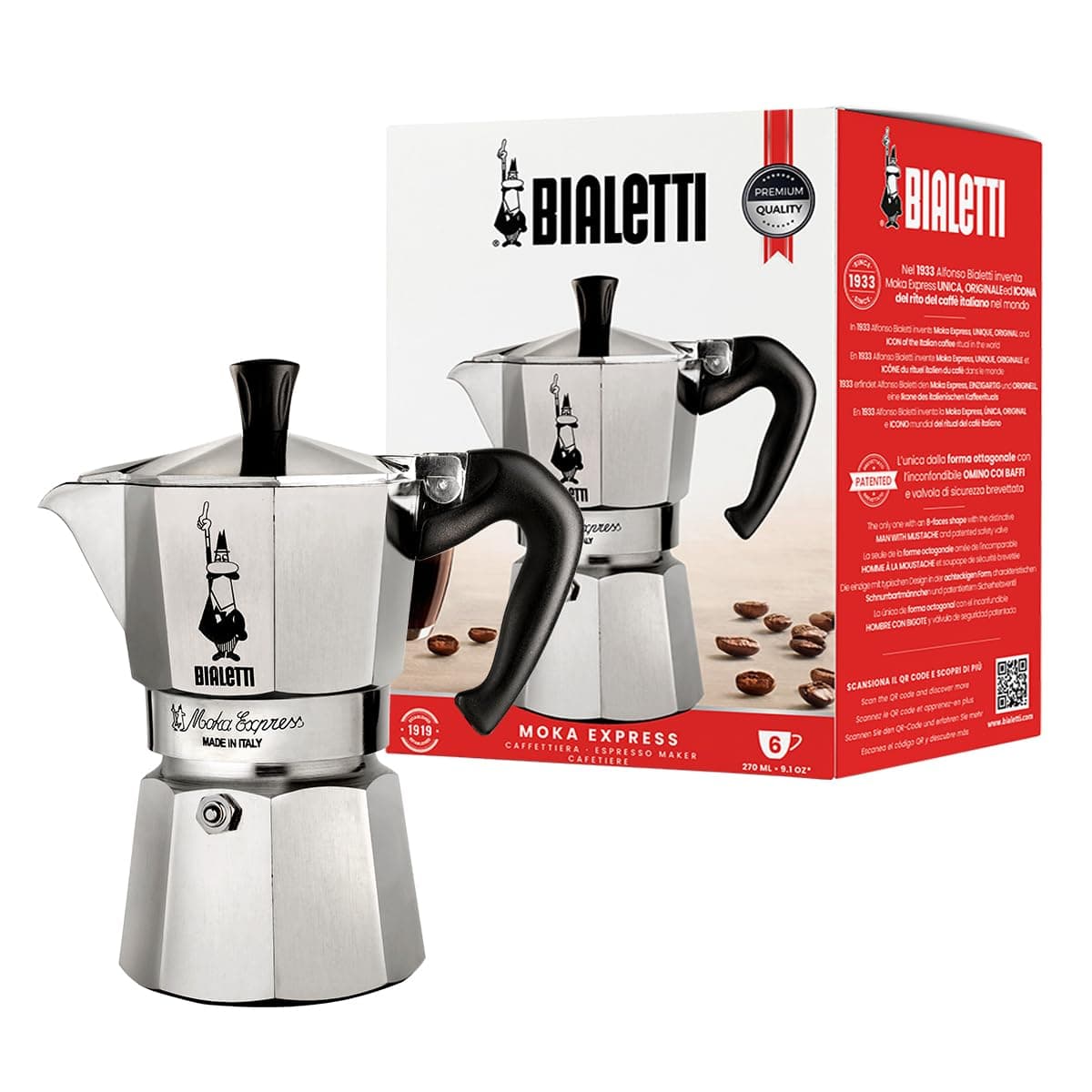
The Bialetti Moka Express is not a fleeting TikTok trend; it's a 90-year-old design icon that has found a new audience obsessed with ritual and aesthetics. With a staggering 4.6-star rating from over 90,000 Amazon reviews, its performance is undeniable. It produces a uniquely rich, concentrated, and robust coffee that sits in a class of its own—stronger than drip, but not quite true espresso. For those willing to embrace a minor learning curve, it offers an unparalleled analog coffee experience that expensive machines can't replicate. It's a durable, effective, and deeply satisfying tool for any coffee lover.
What Went Viral
The Moka Pot's resurgence on platforms like TikTok, with over 5 million views for related content, isn't about a new feature; it's about the rejection of hyper-automated convenience. Creators in the 'slow coffee' and 'home cafe' niches champion its simple, three-part aluminum design and the satisfying ritual of the brewing process. The gurgling sound as the coffee percolates into the top chamber is its own form of ASMR. Unlike a pod machine, the Moka Pot is a hands-on, multi-sensory experience that feels authentic and looks timelessly stylish on any stovetop, making it perfect fodder for aesthetic-driven video content.
What the Comments Actually Say
Beyond the curated videos, real user feedback is overwhelmingly positive but comes with important caveats. The Amazon review consensus is exceptionally high, with users praising its durability and the rich, bold flavor that puts it far above standard coffee makers.
On Reddit, communities like r/mokapot are filled with enthusiasts sharing tips and photos. A common thread is managing expectations.
A recurring point of confusion is the '6-cup' designation. Reddit users frequently clarify that this refers to six 50ml espresso-sized shots, which equates to about one standard American coffee mug. This is the single biggest hurdle for new buyers.
Users also discuss the nuances of technique, from using pre-heated water to dialing in the perfect medium-fine grind size. While many praise the pot's longevity, with some reporting decades of use, a minority of commenters have noted a perceived decline in manufacturing quality on newer models compared to vintage ones, citing thinner metal.
YouTube reviews echo this sentiment. Creators praise its simplicity, portability, and the unique taste profile. However, they also consistently highlight the learning curve required to avoid a bitter or metallic taste, emphasizing the importance of heat management and not tamping the coffee grounds.
Technical Comparison
The Bialetti Moka Express operates on a simple principle: steam pressure. Heating water in the bottom chamber generates pressure that forces it up through the coffee grounds and into the top collection chamber. This produces a concentrated brew at around 1.5 bars of pressure.
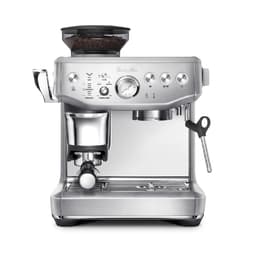
In contrast, a standard drip coffee machine uses gravity, letting hot water saturate grounds in a filter, resulting in a less intense brew. A true espresso machine uses high pressure (9 bars or more) to force water through finely-ground, compacted coffee, creating a thick, syrupy shot with a signature layer of crema. The Moka Pot offers a middle ground: an espresso-like concentrate without the cost, complexity, or counter space of a dedicated machine.
The Moka Pot doesn't make true espresso, but it makes an exceptionally strong and full-bodied coffee that serves as an excellent base for lattes, Americanos, or for sipping straight if you enjoy a powerful cup.
The Catch
The primary catch is the technique. You can't just set it and forget it like a drip machine. Using water that's too hot, a grind that's too fine, or leaving it on the heat for too long will result in a bitter, unpleasant brew. There's a hands-on process of learning what your specific stove and grind size require. The second major issue is the classic aluminum model's incompatibility with induction stovetops, requiring either a special induction-compatible model or a separate adapter plate. Finally, the widespread confusion over its 'cup' capacity means many first-time buyers are disappointed by the volume of coffee it produces.