The Verdict
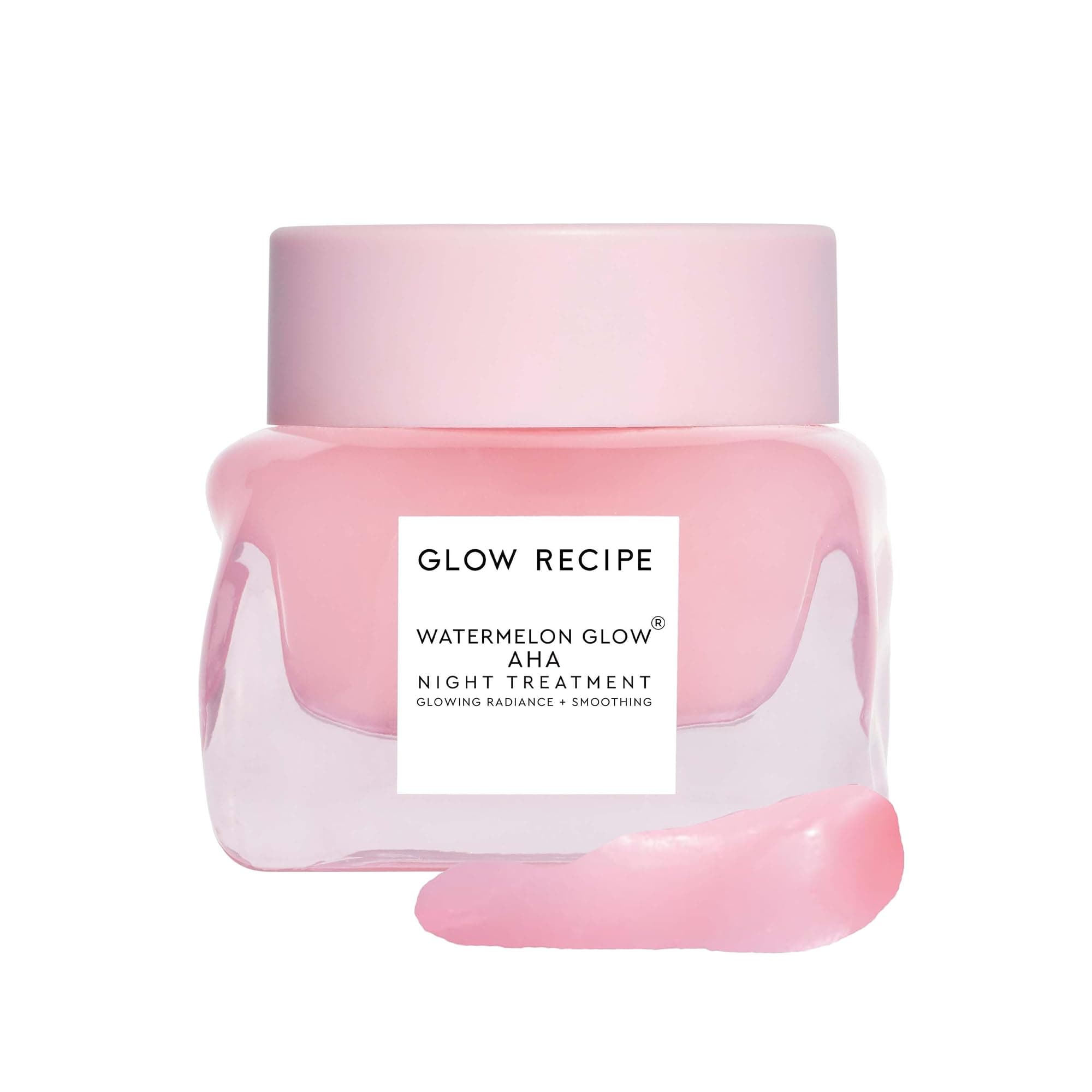
For those seeking a gentle entry into chemical exfoliation or a less irritating alternative to harsher treatments, Glow Recipe's Watermelon Glow AHA Night Treatment is a solid performer. It effectively combines a mild AHA blend with powerhouse hydrators like hyaluronic acid and niacinamide to deliver smoother, brighter skin with minimal risk of irritation. While a vocal minority of long-time fans miss the original formula, the current iteration stands on its own as a highly effective, well-tolerated resurfacing mask.
With a 4.5-star rating on Amazon and overwhelmingly positive feedback from real users on Reddit and YouTube, this product successfully bridges the gap between social media hype and real-world results.
What Went Viral
The Glow Recipe Watermelon Glow AHA Night Treatment exploded on social media, racking up over 4 million views on TikTok. The core promise was simple yet alluring: achieve the coveted 'cloud-skin' effect. Creators showcased a breathable, hydrating formula that delivered a smooth, glowing finish without the heavy, occlusive feeling of traditional overnight masks. The appeal was its dual-action claim—gentle AHA exfoliation to refine texture overnight, paired with intense hydration for a plump, dewy morning-after look. This positioned it as a one-step solution for perfect morning skin, a claim that resonated deeply with the platform's beauty community.
What the Comments Actually Say
Despite the initial TikTok wave, recent organic discussion on the platform is surprisingly quiet. The most substantive feedback now lives on platforms like Reddit and YouTube. On Reddit, the sentiment is largely positive but nuanced. In one r/Ipsy thread, a user gave it a 9/10 rating, citing "actual improvement" in discoloration, brightness, and pore size after seven weeks. They noted it dries quickly and isn't sticky, though they experienced a "slight uncomfortable tingling" at first. However, the product's reformulation is a point of contention. Another commenter in the same thread stated the "new version/product does nothing for me" compared to the original mask.
A key observation from Reddit user Ladystech915: "I have seen actual improvement with this product. My discoloration is much less noticeable, my skin is brighter and firmer, my pores are smaller/tighter."
YouTube reviews echo this positive sentiment. Reviewers consistently praise its gentle efficacy, even for those with sensitive or rosacea-prone skin. Multiple video reviews highlight its ability to leave skin feeling smoother, softer, and "super hydrated" by morning without causing irritation. The thin, fast-absorbing texture and subtle watermelon scent are also frequently mentioned as positives. The consensus among video creators is that it's a powerful yet gentle product that delivers on its promises of retexturizing and brightening.
Technical Comparison
Standard AHA (Alpha Hydroxy Acid) treatments, particularly those with high concentrations of glycolic acid, are known for their potent exfoliating power but also for their potential to cause irritation, redness, and dryness. They often function as single-purpose products, requiring users to layer hydrating serums or moisturizers on top to counteract their drying effects.
The Glow Recipe treatment's formulation is its key differentiator. It uses a blend of glycolic and lactic acids, but buffers them with a significant dose of hydrating and soothing ingredients. Hyaluronic acid provides multi-level hydration, niacinamide helps refine pores and strengthen the skin barrier, and watermelon extract offers vitamins and antioxidants. This creates an all-in-one product that exfoliates and hydrates simultaneously, reducing the risk of the irritation commonly associated with standalone AHA products.
The Catch
The most significant issue isn't a flaw in the product itself, but its history. This AHA Night Treatment replaced Glow Recipe's original, cult-favorite Watermelon Glow Sleeping Mask. For die-hard fans of the old formula, this new version feels like a downgrade. Online discussions reveal a clear divide between new users who love the product and long-time customers who find the replacement less effective for their needs, creating a confusing landscape for potential buyers trying to parse conflicting reviews.