The Verdict
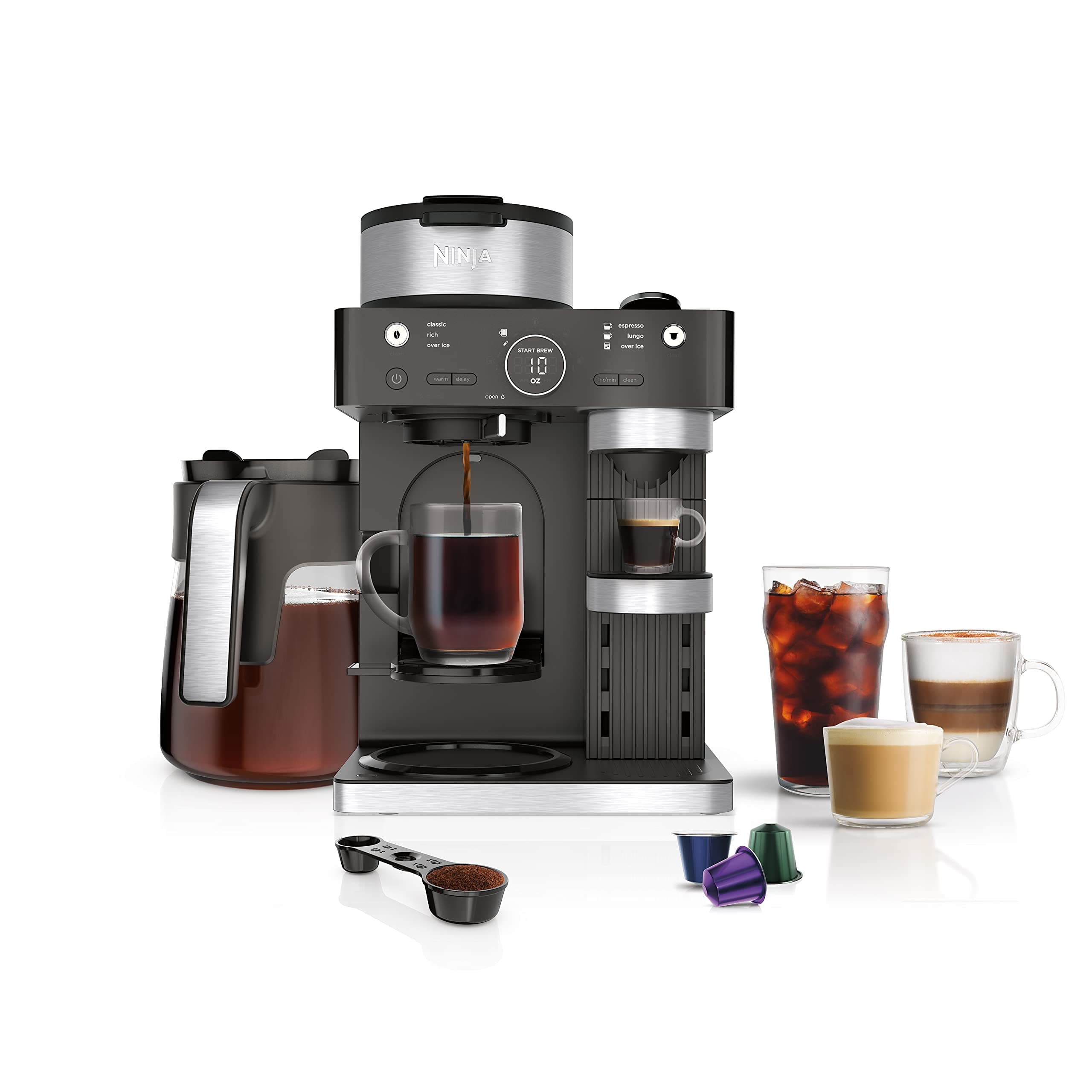
The Ninja Espresso & Coffee Barista System is a masterclass in packaging a dream: one sleek machine that promises to replace your entire coffee corner. It brews carafes, single servings, and Nespresso-compatible espresso, complete with a built-in frother. While it delivers on this promise of versatility for many, a significant and growing chorus of user complaints about critical, long-term reliability issues makes it a high-risk investment. The social media hype showcases a perfect coffee workflow, but the reality for too many users involves leaks and catastrophic failures.
For a $250 appliance, the gamble on whether you get a flawless unit or a dud is just too high. The core concept is brilliant, but the execution appears to be critically flawed for long-term use.
What Went Viral
With over 1.8 million views on TikTok, the Ninja CFN601 captured the attention of home coffee enthusiasts by solving a universal problem: counter space. The viral appeal is simple and powerful. Why own a drip coffee maker, a Nespresso machine, and a separate milk frother when a single, handsome appliance can do it all? Videos showcase a seamless transition from brewing a full 12-cup carafe for the family to pulling a quick, crema-topped espresso shot for an afternoon latte. Its ability to use both ground coffee and Nespresso capsules, combined with multiple brew sizes and a fold-away frother, presented it as the ultimate, clutter-free upgrade for any kitchen.
What the Comments Actually Say
Digging past the glossy influencer reviews reveals a deeply divided user base. On one hand, YouTube reviewers generally praise the CFN601, calling it a "game-changer" and giving it high marks for its 19-bar pressure system, which produces genuinely good espresso crema, and its user-friendly interface. They highlight the convenience and the quality of the milk foam, even if they consistently point out that the frother doesn't heat the milk itself.
However, the sentiment on community-driven platforms like Reddit tells a different, more troubling story. A recurring, critical complaint dominates discussions: the machine's failure to pierce Nespresso pods over time.
One Reddit user in a Nespresso subreddit detailed a frustrating experience: "Read before buying Ninja Barista real review after 3 failed machines not piercing pods! ... I went through three CFN601C units in about a year, with each eventually failing to pierce standard Nespresso-style pods, leading to water leakage instead of brewing."
This isn't an isolated incident. Multiple users report the same pod-piercing failure, alongside complaints of the machine leaking from the water tank, as noted in the top critical review on Amazon. Other reported issues include frequent "add water errors" mid-brew and a ground coffee chamber that retains moisture, creating a mess. While many users praise the coffee quality when it works, the sheer number of reports about units failing within the first year is a major red flag.
Technical Comparison
The Ninja CFN601 competes not with a single machine, but with a common kitchen setup: a standard drip coffee maker (e.g., a Mr. Coffee or Cuisinart) paired with a separate Nespresso OriginalLine machine (e.g., an Essenza Mini). A typical setup like this might cost a combined $200-$250, putting it in the same price bracket as the Ninja.
The standard setup's primary limitation is its footprint, consuming double the counter space. The Ninja's clear advantage is consolidation. However, the two-machine setup offers redundancy and specialized performance. If your Nespresso machine fails, you can still brew drip coffee. If the Ninja's espresso mechanism breaks—as many users report it does—the entire expensive, multi-function unit is compromised, leaving you with nothing.
The Catch
The promise of an all-in-one system is compelling, but the execution is a gamble. The machine's design appears to have a critical flaw in its Nespresso-compatible brewing mechanism. This isn't a minor inconvenience; it's a failure of a core feature that many users buy the machine for. The problem seems to develop over months, well after the initial return window has closed, forcing users into a frustrating warranty process with mixed results.