The Verdict
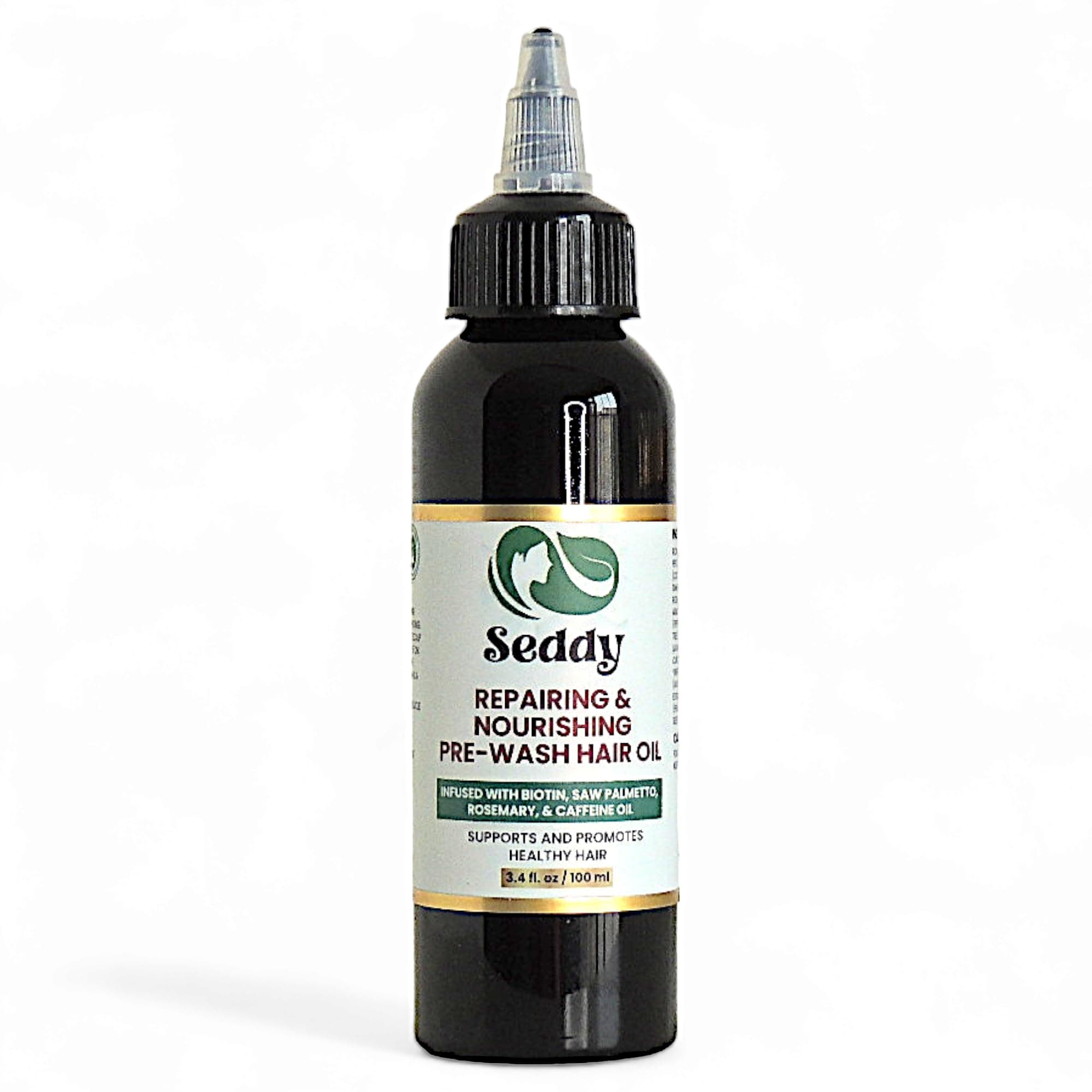
The Seddy Pre-Wash Nourishing Treatment Oil is a well-formulated product with a solid ingredient list that delivers noticeable softness and scalp care for many users. However, its viral status, fueled by 25 million TikTok views, sets expectations that its real-world performance doesn't consistently meet. A modest 4.1-star Amazon rating suggests that while it works for some, it's not a universal miracle cure for hair damage.
For those committed to a pre-wash routine and managing expectations, it's a decent option. But for those seeking the instant, dramatic results seen on TikTok, the reality might be underwhelming.
What Went Viral
With over 25 million views, Seddy's Pre-Wash Treatment Oil exploded on TikTok. The trend was driven by videos showcasing seemingly dramatic transformations. Creators applied the oil to dry, brittle hair and, after washing, revealed hair that looked significantly more nourished, moisturized, and shiny. The appeal was its focus on scalp health as the foundation for better hair, resonating particularly with users struggling with dryness, breakage, and sensitive scalps looking for a natural-ingredient solution.
What the Comments Actually Say
Across platforms, the sentiment is largely positive but tempered with practical feedback that cuts through the hype. On Seddy's own website and Walmart, users praise the oil for making hair feel stronger, softer, and more manageable, with some reporting new growth over time. One Amazon reviewer noted, "On my first bottle finally seeing buds of growth... it simulate my scalp for sure."
Praises consistently center on:
- Improved hair softness and shine after washing.
- A noticeable reduction in dryness and frizz.
- A quality blend of natural ingredients like rosemary, castor, and biotin.
However, the feedback isn't universally glowing. Some users find the herbal scent of rosemary and peppermint to be strong. The most common point of friction is the application process itself. A Walmart reviewer found a similar Seddy oil to be "so so oily" and time-consuming. This aligns with the product's instructions, which require leaving it in for at least 30 minutes or overnight—a commitment not everyone is prepared for. While no specific Reddit threads for this exact product were found, general sentiment in communities like r/Haircare supports pre-wash oiling with similar ingredients to protect ends from being stripped by shampoo.
A key piece of context comes from trichologists on TikTok, who caution against applying pure essential oils directly to the scalp. Seddy's product avoids this pitfall by being a formulated blend, but the general discourse highlights the importance of using such products correctly to avoid scalp irritation.
Technical Comparison
The Seddy Pre-Wash Oil represents a different philosophy from many standard hair treatments. Mainstream products often focus on post-wash cosmetic effects, using silicones to coat the hair shaft for temporary smoothness and shine. While effective for styling, they don't typically address scalp health or protect the hair fiber from the harsh surfactants in shampoos.
Seddy's formula, in contrast, is a pre-emptive treatment. It uses a blend of oils (Castor, Coconut, Rosemary) and active ingredients (Biotin, Caffeine) intended to nourish the scalp and form a protective barrier on the hair before it's stripped by shampoo. This method aims to reduce hygral fatigue—the swelling and shrinking of hair when it gets wet—and minimize protein loss during washing. It's a proactive health approach versus a reactive cosmetic fix.
The Catch
The primary catch isn't a flaw in the product, but a gap between social media marketing and practical use. The viral videos imply a quick, transformative fix. The reality is that oil-based hair treatments require consistency and time to show results, especially for hair growth. The top positive review on Amazon mentions seeing "buds of growth" only after finishing the first bottle with five applications per week. Furthermore, the 4.1-star rating indicates that nearly one in five users had a mediocre or poor experience, a significant number for a viral sensation. The vague top critical review, "Not what I expected," likely captures the sentiment of users who didn't see the instant, dramatic results promised by their For You Page.